
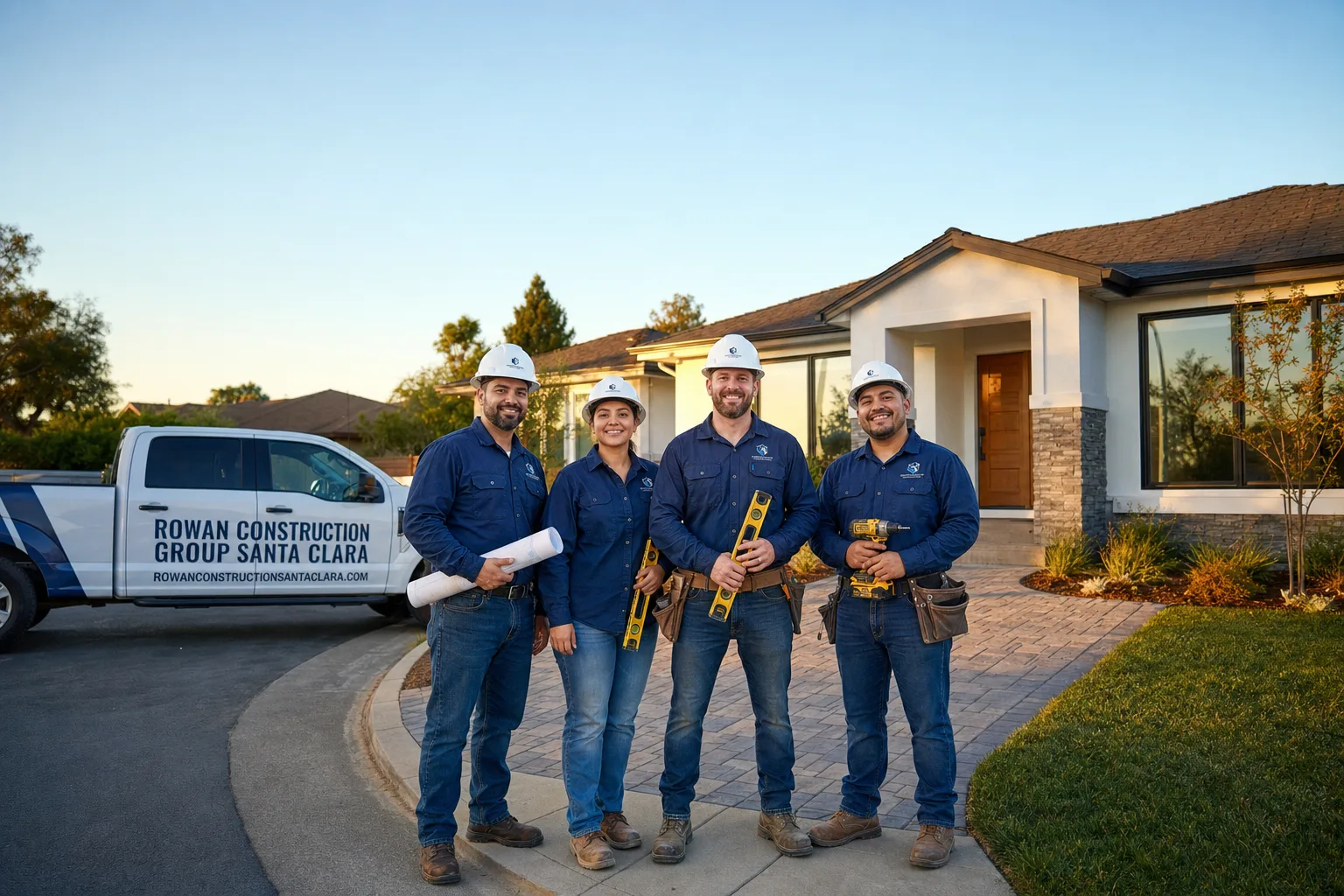
Free written scope consultation - allowances, timeline, and change-order rules on paper before a single trade is scheduled
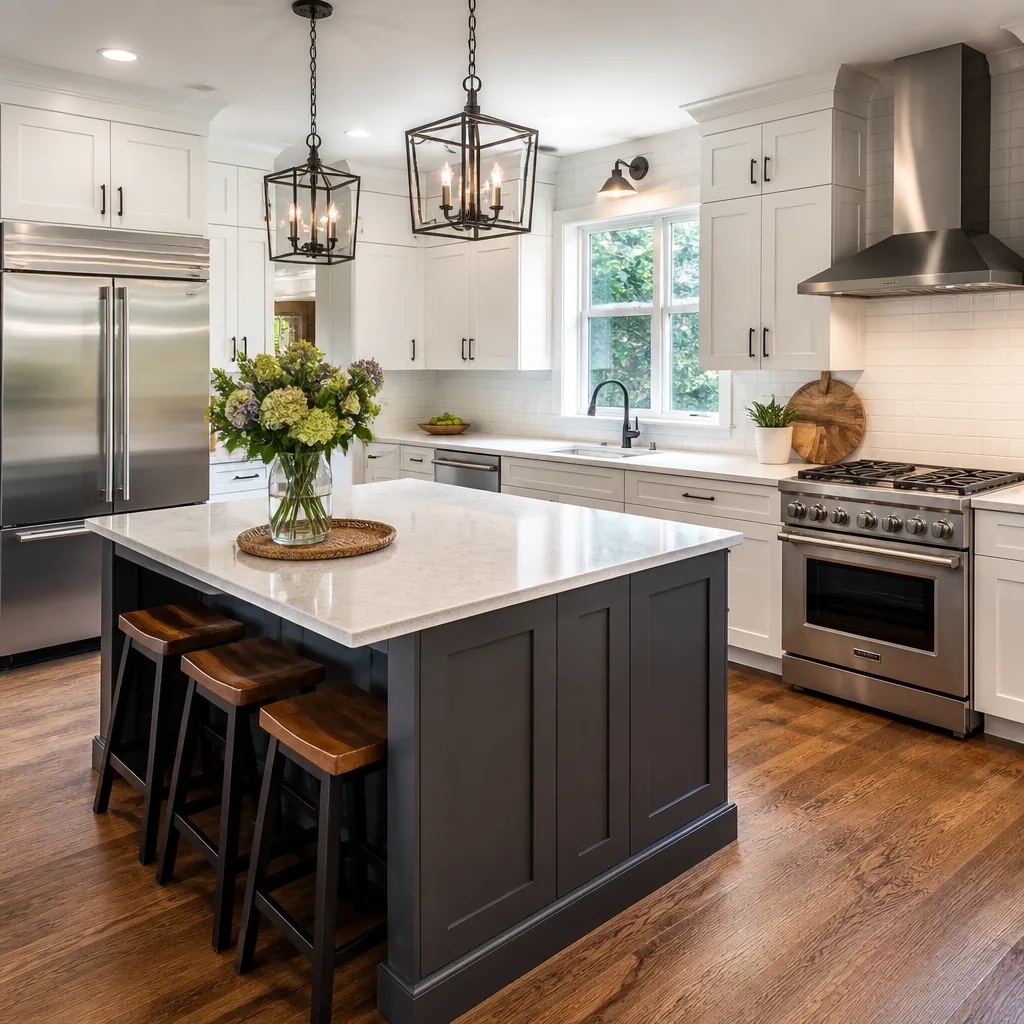
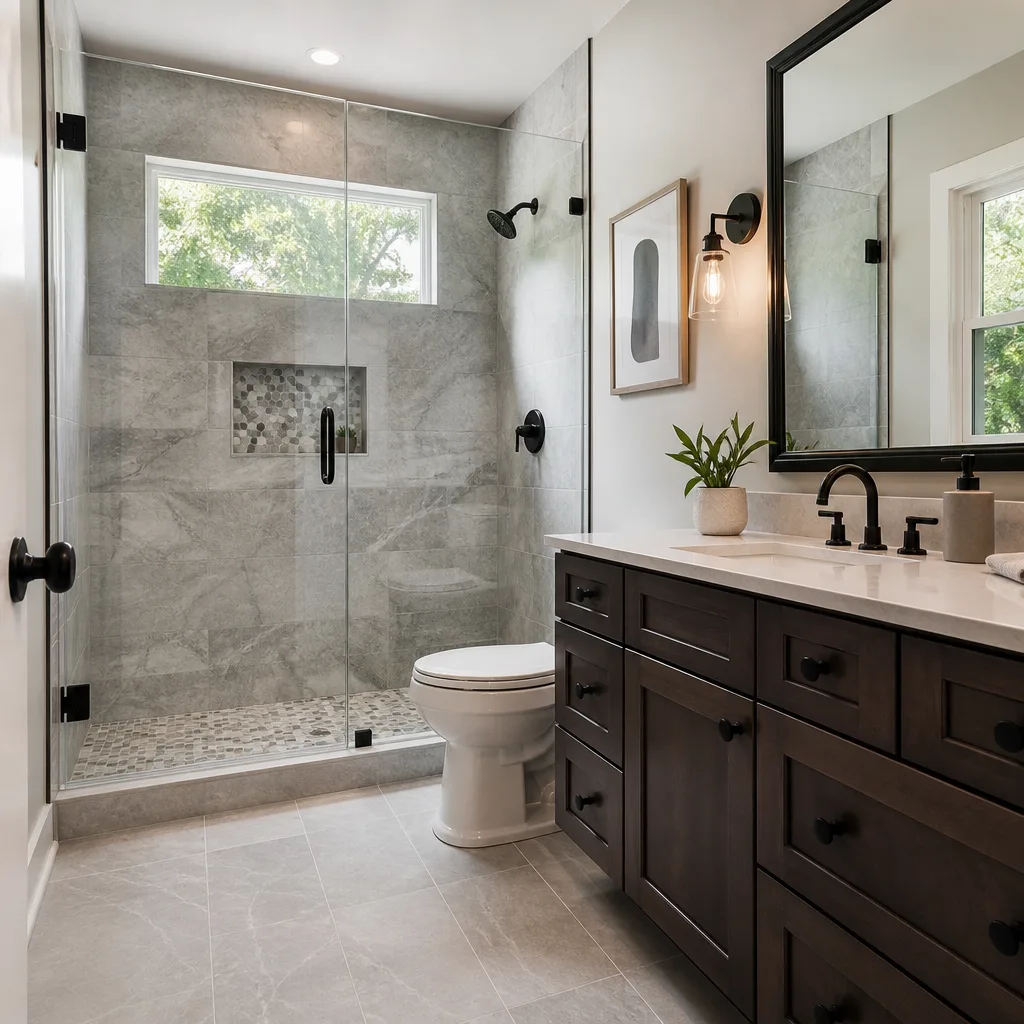
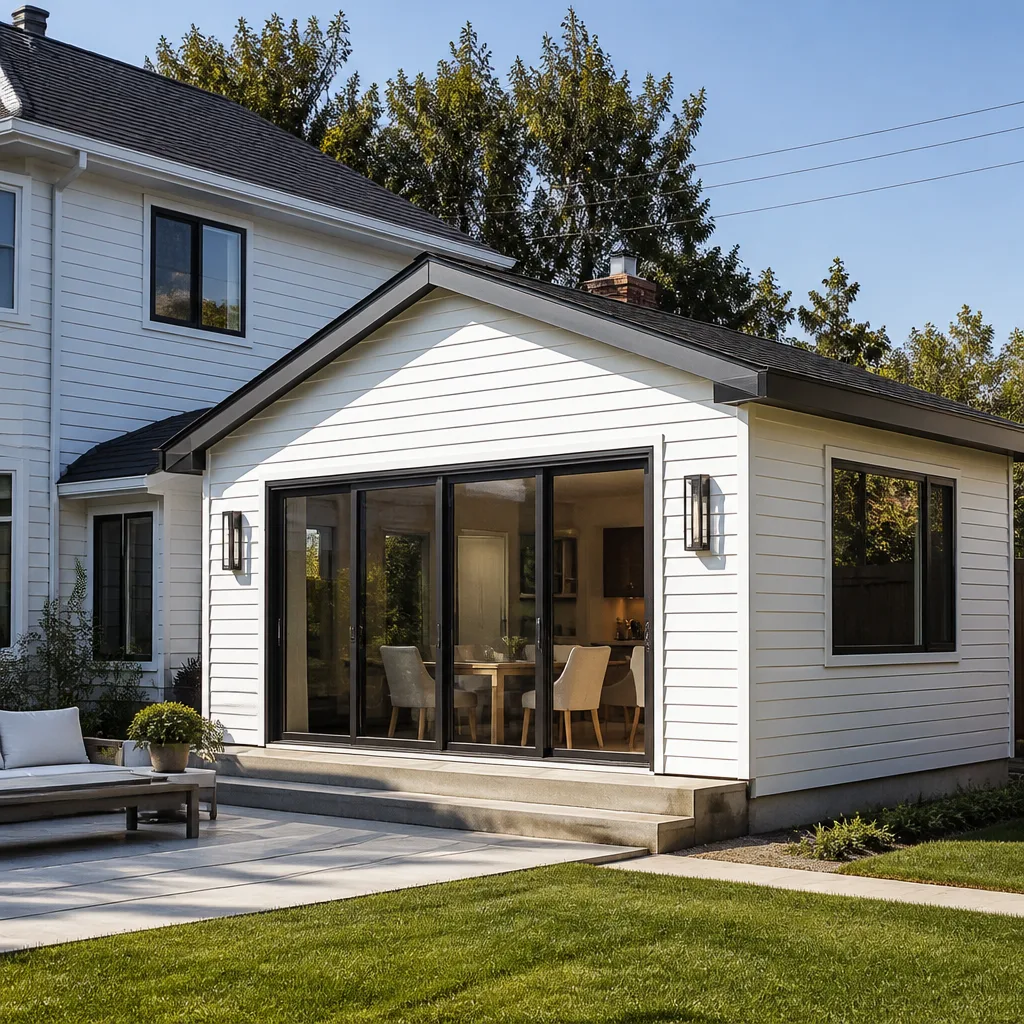
Windows & doors
 Before
 After
After Before
 After
After Before
 After
AfterHow Much Does Paver Driveway Installation Cost in Santa Clara?
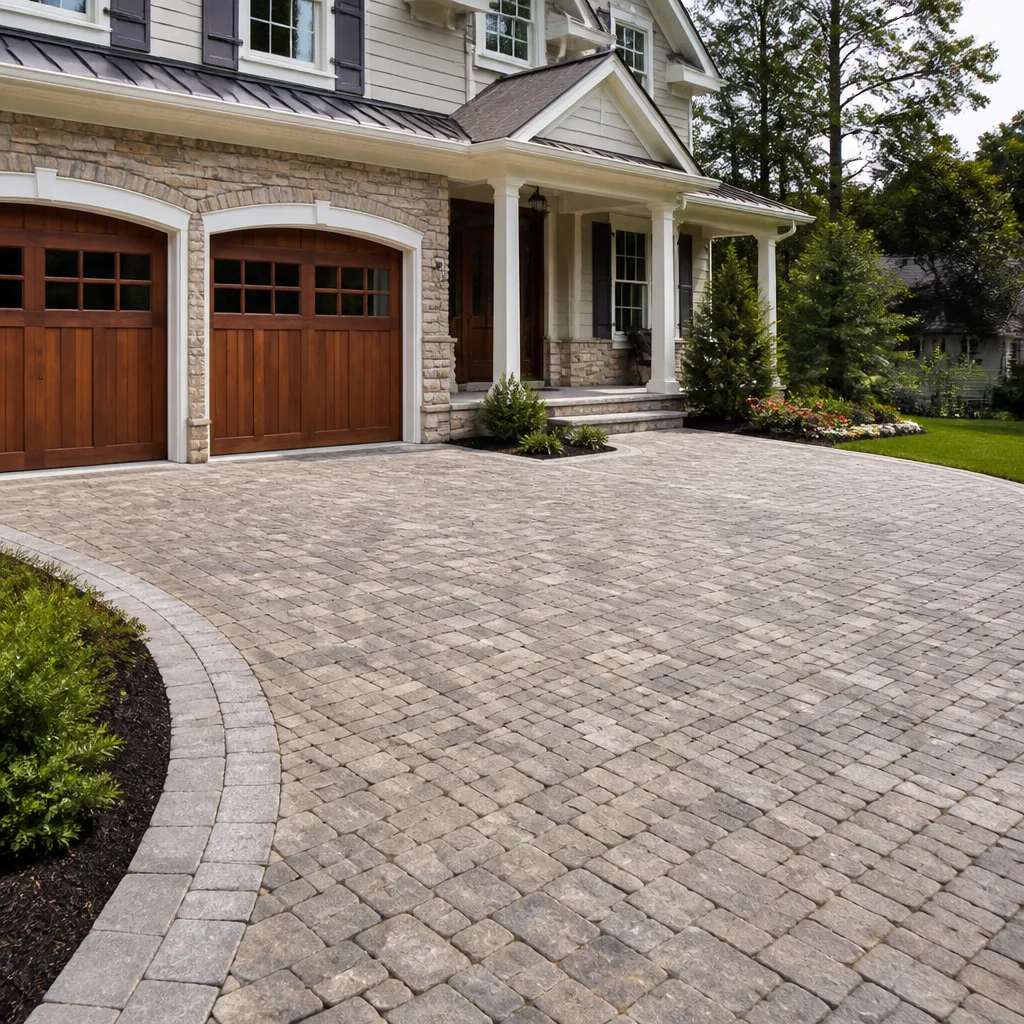
Paver driveway installation in Santa Clara, CA typically costs between $7,000 and $18,000 for a standard two-car driveway, with most homeowners landing somewhere in the $10,000-$13,500 range depending on the paver type, square footage, and site conditions. That price includes materials, excavation, a compacted gravel base, and installation labor. If your existing driveway needs to be removed first, expect to add $1,000-$2,500 to the total.
Paver Driveway Installation Cost Breakdown (2026)
The table below reflects what Rowan Construction Group actually quotes for paver driveway work in Santa Clara in 2026. These aren’t national averages adjusted with a multiplier – they’re numbers pulled from written estimates on local jobs, which is the only way to give you a figure worth comparing.
| Line Item | Typical Cost Range | Notes |
|---|---|---|
| Concrete paver materials | $3.50-$8.00/sq ft | Belgard and Techo-Bloc are the two brands we quote most; both carry a manufacturer warranty |
| Natural stone pavers (travertine, bluestone) | $10-$22/sq ft | Higher material cost; common in Central Park and Pruneyard-area homes |
| Excavation and grading | $800-$2,200 | Clay-heavy soil in parts of Santa Clara adds time and haul-away weight |
| Gravel base and compaction | $600-$1,400 | 4-6 inch compacted base is standard; we go to 8 inches on heavier vehicle traffic |
| Sand bedding layer | $200-$450 | 1-inch screeded sand layer under the pavers sets the final elevation |
| Labor (installation) | $4.00-$8.00/sq ft | Pattern complexity and site access affect this number |
| Edging and restraints | $300-$700 | Polymeric edging keeps pavers from migrating over time |
| Polymeric sand and sealing | $400-$900 | Sealing is optional but extends life in Santa Clara’s UV-heavy climate |
| Old driveway removal (if needed) | $1,000-$2,500 | Concrete removal costs more than asphalt due to disposal weight |
| Total – standard two-car driveway (approx. 600 sq ft) | $7,000-$18,000 | Most Santa Clara projects settle between $10,000-$13,500 |
What Pushes Costs Toward the Higher End
Natural stone pavers, intricate herringbone or circular patterns, and driveways on sloped lots all add cost. In Santa Clara’s older neighborhoods – particularly around Alviso and the streets backing up to Lawrence Expressway – crews sometimes hit buried irrigation lines or old concrete that wasn’t permitted and needs proper disposal. That’s not catastrophic, but it’s the kind of thing that adds $500-$1,500 when it wasn’t expected. A written scope before work starts (under Clause 1 of the Haven Standard) means that number gets documented as a signed change order before anyone picks up a tool, not after.
What Keeps Costs Toward the Lower End
A flat lot, no existing driveway to remove, a simple running-bond pattern in a mid-grade concrete paver like Belgard’s Olde Quarry or Techo-Bloc’s Antika, and a driveway under 500 square feet – those conditions together can bring a Santa Clara paver project in comfortably under $10,000. Sealing can be skipped on initial installation and added later, which is a legitimate way to defer $400-$900 without compromising the install itself.
What Affects Paver Driveway Installation Pricing in Santa Clara
- Driveway size and shape: Cost scales roughly with square footage, but non-rectangular shapes (curved aprons, flared entries) require more cuts and more labor. A standard two-car driveway runs 400-650 square feet in most Santa Clara neighborhoods; a three-car configuration on a corner lot can push 900 square feet or more.
- Paver material choice: Concrete pavers (Belgard, Techo-Bloc) are the most cost-effective at $3.50-$8.00 per square foot in materials. Natural travertine or limestone can triple that material cost. The finish affects more than price – concrete pavers are easier to replace individually if one cracks or settles, which matters on Santa Clara’s clay-influenced subsoil where minor settling does happen.
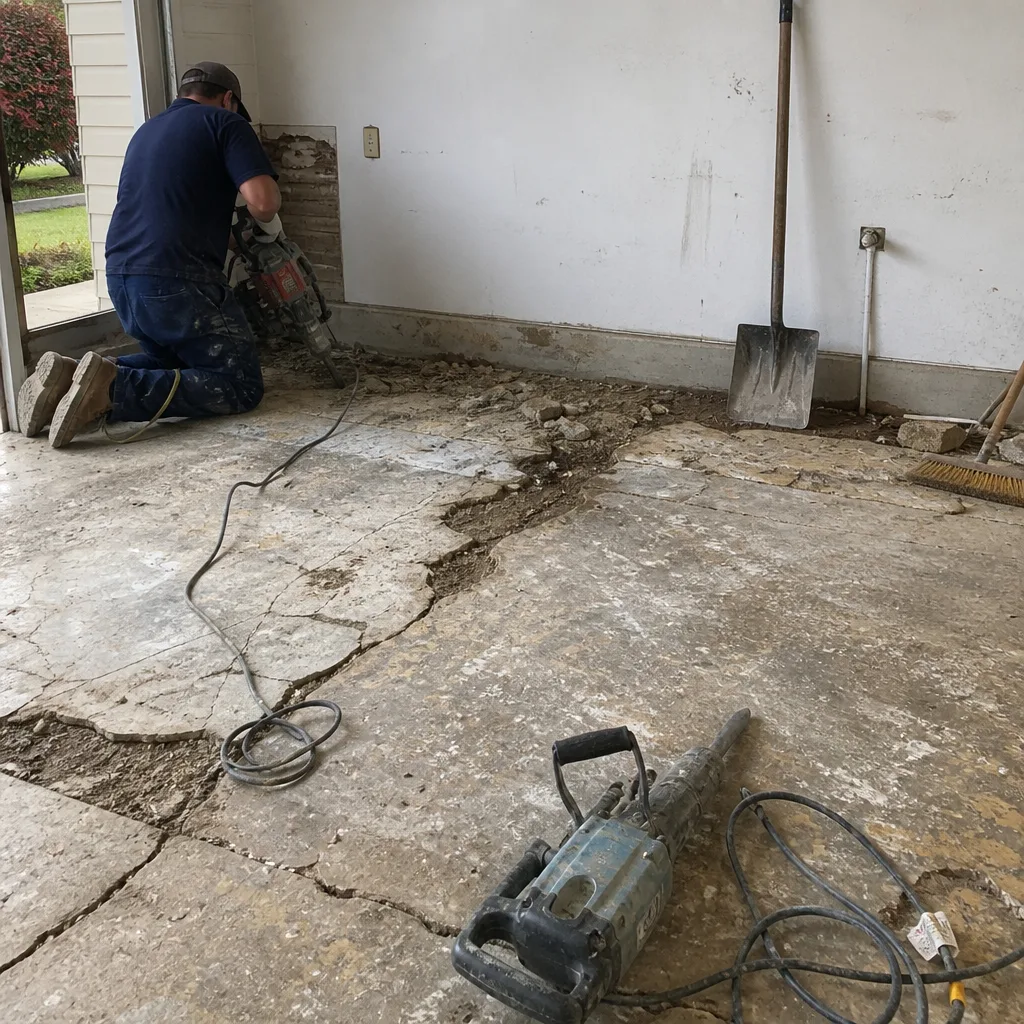
- Existing driveway condition: If there’s cracked concrete or old asphalt to remove, add $1,000-$2,500 for demolition and haul-away. Santa Clara’s residential waste disposal fees affect this cost, and concrete runs heavier than asphalt per yard.
- Soil and site conditions: Silicon Valley’s mix of expansive clay and sandy fill (more common near the bay side of Santa Clara, toward Agnew) affects how deep the base needs to go. Soft or reactive soils may require a geotextile fabric layer under the gravel base – add $300-$600. We document what we find during excavation with photos, which the customer receives as part of the standard visit record.
- Pattern complexity: A simple 90-degree running bond is faster to install than a 45-degree herringbone or a basket-weave pattern. Each angled cut takes time, and waste increases. A herringbone pattern typically adds $0.75-$1.50 per square foot in labor compared to a straight-lay bond.
- Permits and city requirements: Santa Clara requires a permit for driveway work that changes impervious surface area or modifies a curb cut. The City’s stormwater rules also limit how much runoff a new driveway can direct toward the street – permeable pavers can satisfy that requirement without a separate drainage structure. Permit fees in Santa Clara typically run $150-$400 for a standard residential driveway. We handle permit paperwork on every job where it’s required.
- Access and logistics: Driveways with narrow side gates, mature trees close to the work area, or shared access with an adjacent property take longer to stage and work safely. In the older sections of Santa Clara near El Camino Real and the Cabrillo neighborhood, tight lots are common, and equipment access is planned before the written quote is issued – not figured out the morning the crew shows up.
 Before
 After
AfterPaver vs. Concrete vs. Asphalt: What Makes Sense in Santa Clara
This comparison comes up on almost every driveway estimate we write in Santa Clara, so it’s worth putting the numbers next to each other.
- Paver driveway: $7,000-$18,000. Higher upfront cost, but individual pavers can be lifted and reset if a utility line needs access or a section settles. No cracking across the full slab. Resale value is consistently higher in this market.
- Concrete driveway: $4,500-$12,000. Less expensive upfront, but Santa Clara’s clay subsoil means cracking is a when, not an if. Repairs require saw-cutting and patching, which rarely matches the original pour.
- Asphalt driveway: $3,500-$9,000. Lowest upfront cost. Softens in sustained heat (Santa Clara’s summer temperatures regularly exceed 90°F), and requires sealing every 2-3 years to maintain integrity. Fine for rental properties or shorter time horizons; most owner-occupants in Santa Clara’s $1.5M+ neighborhoods choose pavers or concrete.
For most owner-occupied homes in Santa Clara, pavers are the defensible long-term choice. If budget is the constraint, a well-poured concrete driveway with proper expansion joints is a reasonable alternative. You can see both options quoted side by side on our Paver Driveway Installation in Santa Clara service page.
How to Save on Paver Driveway Installation in Santa Clara
There are real ways to reduce cost on a paver driveway without compromising the result – and a few that look like savings but create problems three years later. Here’s the difference.
Legitimate Ways to Reduce the Total
- Choose concrete pavers over natural stone. Belgard’s Mega Arbel or Techo-Bloc’s Blu 60mm give you a textured, high-end look for $3.50-$6.00 per square foot in materials, compared to $12-$20 for natural travertine. On a 600-square-foot driveway, that’s a $5,000-$8,000 difference in material cost alone.
- Use a simpler pattern. A 90-degree running bond or stack bond installs faster and generates less cut waste than herringbone. If you want the visual interest of herringbone, ask about doing it as an accent band at the entry apron – it’s a fraction of the material and labor.
- Skip sealing on the first install. Polymeric sand sealing extends life and improves stain resistance, but it isn’t required at installation. Seal after year one once the pavers have settled and any joint sand has topped off – the result is actually better, and you defer $400-$900.
- Get a second opinion on any estimate you’ve already received. Rowan offers a free second opinion on any written estimate. Bring in a competitor’s quote and we’ll go through it line by line – materials specified, base depth, edge restraint type – and tell you honestly whether the number is fair. Call (669) 259-1843 to schedule that review at no charge.
- Bundle with a patio or walkway. Mobilization costs are shared when a paver patio ($3,500-$11,000) or front walkway is installed in the same visit as the driveway. If you’ve been thinking about both, pricing them together typically saves $500-$1,200 compared to separate projects.
- Time the project correctly. Santa Clara’s wet season runs November through March. Scheduling for early spring or late fall – after the rain risk has dropped but before the summer peak – often allows for more competitive labor scheduling.
What Not to Cut
The base is not where you save money. A 4-inch compacted gravel base is the minimum for a pedestrian paver patio; a driveway carrying vehicle weight needs 6-8 inches of properly compacted crushed aggregate, plus a layer of geotextile fabric where the subsoil is soft. A crew that quotes you a gravel base depth of 3 inches on a vehicle driveway is either misinformed or building in a callback. In Santa Clara’s clay-influenced ground, an undersized base is the single most common reason pavers settle unevenly within two to four years of installation. The cost of releveling a 600-square-foot driveway later exceeds what the thicker base costs upfront.
Santa Clara Permit Requirements for Paver Driveways
Santa Clara’s Community Development Department requires a permit when driveway work involves:
- Any modification to the curb cut or apron at the public right-of-way
- An increase in impervious surface area beyond what’s currently permitted on the parcel
- Drainage alterations that could direct runoff onto adjacent properties or the public street
Permeable paver systems – where joints are filled with aggregate instead of sand, allowing water to pass through – can satisfy the City’s stormwater management requirements without a separate drainage structure. For homeowners near the bay-adjacent sections of Santa Clara (the Agnew area, or properties near the Guadalupe River flood zone), permeable pavers may be a condition of approval rather than an option.
Permit fees for a standard residential driveway run $150-$400 in Santa Clara, and the permit process typically adds two to four weeks to the project timeline. Rowan handles permit applications as part of the written scope on every project where a permit is required – the permit status is documented in the same photo record the customer receives when the job closes.
What the Installation Process Actually Looks Like
Understanding what the crew does on-site helps you evaluate a quote line by line – and notice when a step is missing.
Step 1: Site Assessment and Written Quote
Before any number is quoted, we assess the existing surface, check subsoil conditions, confirm the driveway dimensions, and identify any site-specific constraints (tree roots, irrigation lines, slope, shared access). The written quote itemizes materials by brand and grade, base depth, edge restraint type, and labor. Nothing proceeds without the customer’s signature on that written price – that’s Clause 1 of the Haven Standard, and it’s the same on a $7,000 driveway as it is on a $130,000 home addition.
Step 2: Demolition and Excavation
The existing surface is removed and hauled off-site. Excavation depth is typically 8-12 inches total, to allow for the gravel base, sand bedding, and paver thickness. If unmarked utilities or buried concrete are found – which happens more often than people expect in Santa Clara’s older neighborhoods east of the 101 – a signed change order documents the discovery and the cost to address it before the crew continues.
Step 3: Base Installation
Crushed aggregate (typically 3/4-inch gravel) is laid in lifts and compacted with a plate compactor between layers. This is the most important step in the project, and the one most likely to be underspecified in a low-bid quote. On vehicle driveways, 6-8 inches of compacted base is the standard; anything less creates a settlement risk on Santa Clara’s mixed subsoil.
Step 4: Bedding Sand and Screed
A 1-inch layer of coarse bedding sand is screeded to a consistent elevation. This layer lets the pavers be set level and provides minor adjustment room. It is not the structural layer – the gravel base is – and any contractor who describes the sand as the “foundation” is misrepresenting how the system works.
Step 5: Paver Installation
Pavers are laid in the specified pattern, cut at borders with a wet saw or splitter. Edge restraints (plastic or aluminum, depending on the installation context) are staked along the perimeter. This is where pattern complexity and site irregularities add labor time.
Step 6: Joint Sand and Sealing
Polymeric sand is swept into the joints and compacted. If sealing is included in the scope, a penetrating sealer is applied after the polymeric sand cures – typically 24-48 hours after installation, weather permitting. The customer receives a photo record of the completed installation as a standard deliverable.
Why Rowan Construction Group in Santa Clara
Grant Rowan founded this company in 2007 on a single operating rule: the price is in writing before anyone starts. That isn’t a sales line – it’s the administrative system Haven acquired Rowan for, and it’s the reason 4,000-plus projects have finished within a few percent of the number the customer agreed to. No rounding up at the end. No surprise invoices for materials “we didn’t anticipate.”
On the home page you’ll find the full scope of what we build – seven residential trades, the same written-price discipline across all of them. For driveway work specifically, that means a quote that names the paver brand, specifies the base depth in inches, identifies the edge restraint type, and states the warranty in plain language. If you’ve already received a quote from another contractor, bring it in. The Free Second Opinion is a standing offer – we’ll review it line by line and tell you what the numbers actually mean.
Our crews are background-checked and uniformed. A live person answers calls 24/7. Every visit includes a documented photo record. And the 365-Day Done Right Promise means that if something isn’t right after the job closes, we make it right – in writing, not on a handshake.
FAQs – Paver Driveway Installation Cost in Santa Clara
How much does paver driveway installation cost in Santa Clara, CA?
Paver driveway installation in Santa Clara costs $7,000-$18,000 for a standard project, with most two-car driveways coming in between $10,000 and $13,500. The main variables are paver type (concrete vs. natural stone), driveway size, pattern complexity, and whether an existing surface needs to be removed. Call (669) 259-1843 for a written quote – the estimate is free and the price is fixed before work starts.
Is a paver driveway more expensive than concrete in Santa Clara?
Yes, upfront. Paver driveway installation runs $7,000-$18,000 in Santa Clara; a comparable concrete driveway runs $4,500-$12,000. The gap narrows when you factor in repair costs over time – concrete slabs crack across large sections and require patch-and-match repairs that are visible. Individual pavers can be lifted and reset without disturbing the surrounding surface, which matters on Santa Clara’s clay-influenced ground where minor seasonal movement is normal. Most owner-occupants in this market choose pavers; the life-cycle math supports it.
How long does paver driveway installation take in Santa Clara?
A standard two-car driveway takes 3-5 working days for installation, not including the permit timeline (add 2-4 weeks if a permit is required). Site prep and excavation typically take one day; base installation and compaction take one to two days; paver laying and finishing take one to two days. Weather delays in Santa Clara are rare outside of the November-March rain window, but they’re accounted for in the written project schedule we provide before work starts.
Do paver driveways require a permit in Santa Clara?
It depends on what the project involves. Santa Clara requires a permit if the work modifies the curb cut, increases impervious surface area, or alters drainage. Permit fees run $150-$400. Projects that don’t touch the public right-of-way and don’t increase impervious area may not require a permit – we determine this during the assessment and include the permit status in the written scope. Rowan handles the application when a permit is needed.
How long do paver driveways last in Santa Clara?
Concrete pavers installed over a properly compacted base last 25-50 years in Santa Clara’s climate. Natural stone pavers (travertine, bluestone) can last even longer. The main risk factor isn’t the pavers themselves – it’s an undersized base that allows settling. A 6-8 inch compacted gravel base on a vehicle driveway is the spec that produces those life spans. Driveways installed on a 3-inch base (a cost-cutting shortcut) typically show settlement within 3-5 years on Santa Clara’s clay-influenced subsoil. We specify the base depth in the written quote so the customer knows exactly what they’re getting.
Can I add a paver driveway to my Santa Clara home without removing the existing concrete?
Sometimes – but it’s less reliable than starting from a properly graded subbase. Laying pavers over existing concrete can work if the concrete is structurally sound and properly sloped, but it raises the finished surface elevation, which creates issues at the garage threshold and sometimes at the public sidewalk. It also prevents addressing any subbase problems underneath. If the existing concrete is cracked or heaved, removing it ($1,000-$2,500) and starting fresh almost always produces a better long-term result. We assess the existing surface during the written estimate and make a documented recommendation either way.
Key Takeaways
- Paver driveway installation in Santa Clara costs $7,000-$18,000; most two-car projects run $10,000-$13,500.
- Concrete pavers (Belgard, Techo-Bloc) cost less than natural stone and are easier to repair individually if settling occurs.
- A 6-8 inch compacted gravel base is the non-negotiable spec on vehicle driveways in Santa Clara – anything less creates a settlement risk.
- Santa Clara permits are required when the curb cut is modified or impervious surface increases; fees run $150-$400.
- Removing an existing concrete driveway adds $1,000-$2,500 to the total.
- Rowan Construction Group provides a written price before any work starts – on every project, every time. The 365-Day Done Right Promise backs every completed job.
- Free Second Opinion: bring a competitor’s written estimate to (669) 259-1843 and we’ll review it line by line at no charge.
Get a Written Paver Driveway Estimate in Santa Clara
If you’re planning a paver driveway in Santa Clara and want a number you can actually compare, call Rowan Construction Group at (669) 259-1843. The estimate is free, the price is flat and written before work starts, and Grant Rowan’s team can usually schedule an on-site assessment within a few business days. There’s no obligation and no pressure – just a written scope and a price you can screenshot, compare, and hold us to.
If you’ve already received a quote from another contractor, bring it. The Free Second Opinion means we’ll go through it line by line and tell you what’s in it – and what might not be.
Pricing reflects the Santa Clara market as of 2026. Rowan Construction Group Santa Clara offers free estimates – call (669) 259-1843.
Written by Grant Rowan, Owner at Rowan Construction Group, serving Santa Clara since 2007.
What Our Customers Say
"Final invoice was within two percent of the contract. Every change was priced and signed before anyone picked up a tool."
- Malcolm T."Solid work, decent crew, and the site was left tidy every evening."
- Pearl A."Fence and retaining wall along a sloped boundary. They photographed the footing depth at each post, which mattered when the county inspector came."
- Iona F.