
Free written scope consultation - allowances, timeline, and change-order rules on paper before a single trade is scheduled

Windows & doors

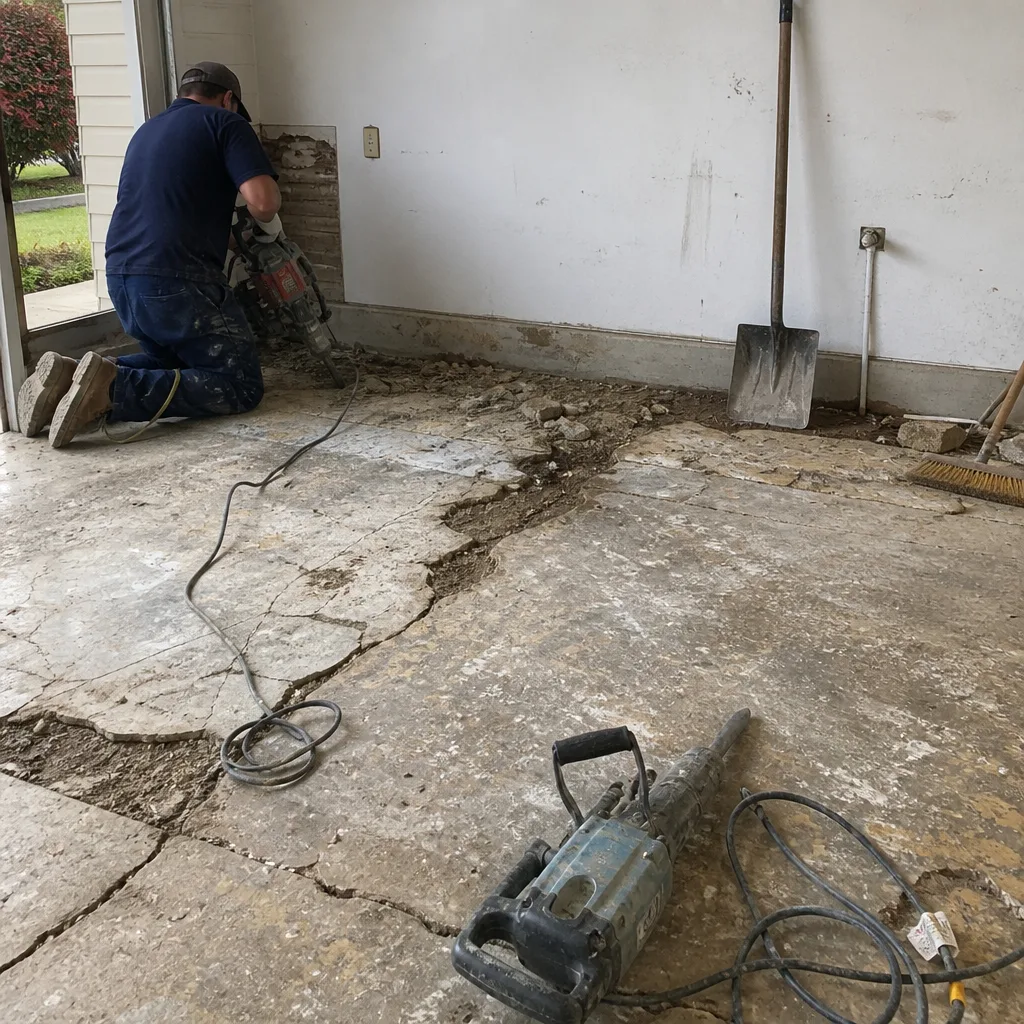 Before
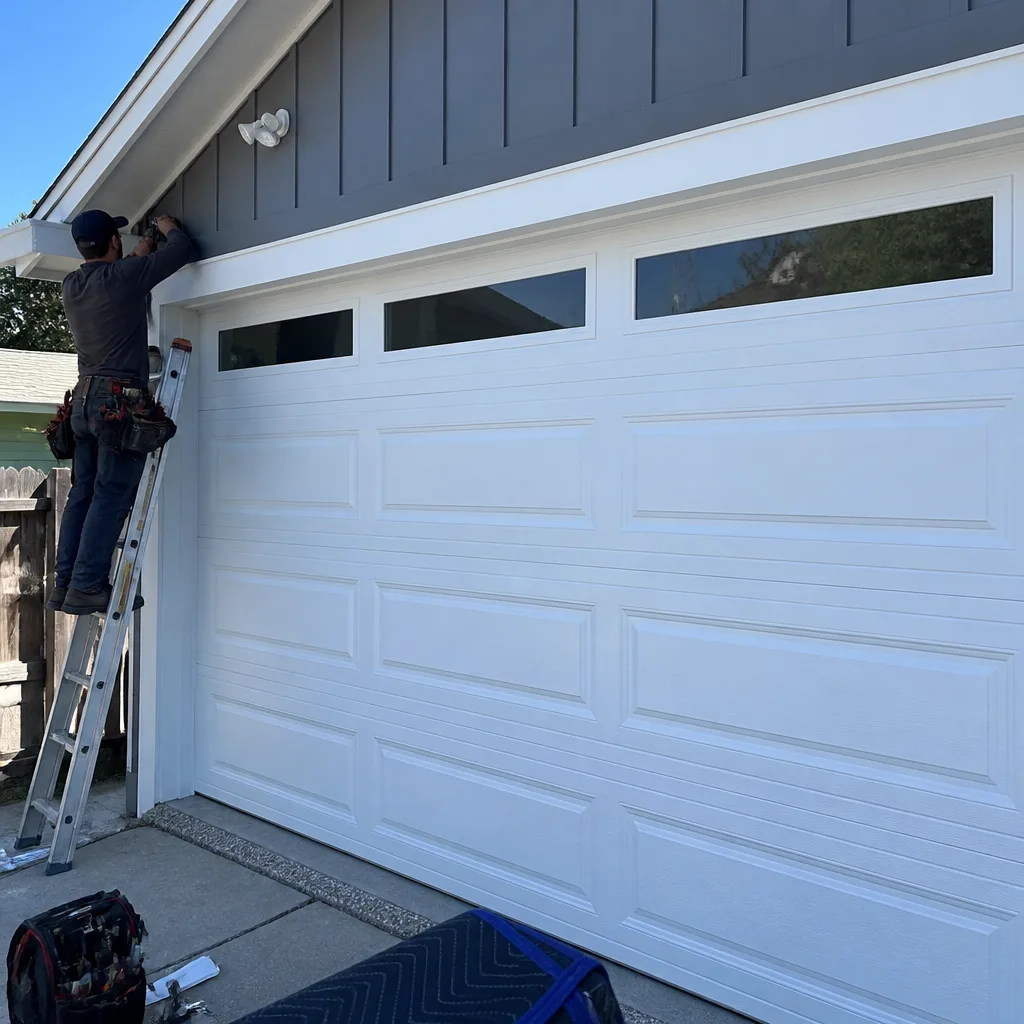 After
After Before
 After
After Before
 After
AfterAmerican Standard Roofing: The Santa Clara Owner’s Guide
We stock and install American Standard-compatible roofing components in Santa Clara, with most replacement parts available same-day and installed pricing typically running $400-$1,800 for repairs and $8,000-$20,000 for full roof replacements. American Standard’s roofing line, primarily integrated into their broader building systems, uses specific membrane and flashing specifications that differ from standard GAF or Owens Corning equivalents. Most Santa Clara owners discover a problem when they spot water staining on ceiling drywall near valleys or penetrations, or when a routine inspection reveals cracked pipe boots or separated seam tape on low-slope sections.
Which American Standard Models This Applies To
American Standard’s roofing components appear most commonly in two contexts: their WeatherShield integrated building envelope systems (2012-2019 production runs) and select OEM partnerships with membrane manufacturers for flat and low-slope residential applications in the South Bay. The critical identifier is the white specification label, usually found on the membrane underside at the roof edge or on original permit documentation. Model prefixes AS-WS (WeatherShield) or AS-RM (residential membrane) indicate the series.
We’ve learned to check three compatibility points that trip up Santa Clara homeowners. First, the membrane thickness: early WeatherShield systems used 45-mil TPO, while 2016 and later shifted to 60-mil, and the seam welding parameters differ enough that mixing thicknesses voids the membrane warranty. Second, the pre-formed pipe boot collar diameter: American Standard’s 3-inch and 4-inch boots use a proprietary base flange pattern that sits flat against their membrane, where aftermarket boots often require field-modification that creates a stress point. Third, the termination bar spacing along parapet walls: WeatherShield specs call for 6-inch centers in wind zones, which includes Santa Clara’s exposure rating, where generic bars run 12-inch centers and will fail inspection.
We source OEM American Standard parts when the warranty is still active and the documentation is clean. When the warranty has expired or documentation is missing, we use Carlisle or Firestone aftermarket equivalents that match the spec sheet and cost 15-25% less, with the trade-off clearly noted in writing before we order.
Signs Your American Standard Roofing Is Failing
- Water stains on ceiling drywall below valleys or penetrations. American Standard’s membrane systems rely on heat-welded seams, and the South Bay’s thermal cycling, especially in Santa Clara’s older Rivermark and Old Quad neighborhoods with minimal attic ventilation, causes seam tape to creep and separate. The stain pattern usually follows a rafter bay, which tells us the leak is tracking along the deck rather than dripping straight through.
- Brittle or chalking membrane surface visible from a ladder. TPO membranes in Santa Clara’s UV exposure typically show surface oxidation at 12-15 years. When the membrane wipes white on your fingers, the UV stabilizers have depleted and the sheet is approaching end of life. We’ve replaced WeatherShield membranes in the Ponderosa neighborhood at 14 years that looked fine from the ground but crumbled under foot traffic during inspection.
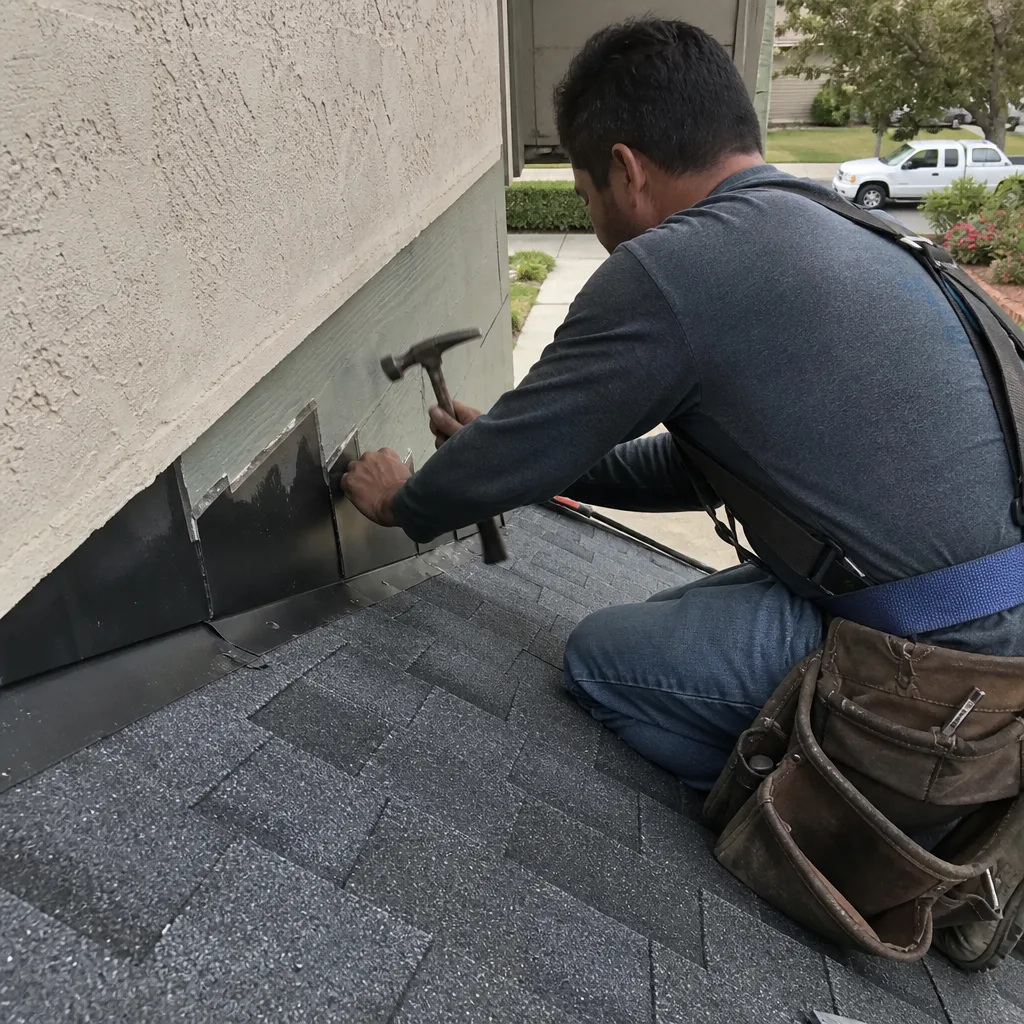
- Lifted or missing termination bar at parapet edges. The termination bar secures the membrane to the wall. Wind uplift in Santa Clara’s spring gust patterns, particularly on homes near the Baylands with unobstructed fetch, pops improperly spaced bars. Once one lifts, the membrane peels back like a zipper. This is not a repair; it’s a replacement of the affected field and a re-termination to code spacing.
- Soft or spongy decking underfoot during inspection. American Standard systems use a fiberboard insulation layer beneath the membrane in many flat-roof configurations. When water breaches the membrane, the fiberboard saturates and loses structural value. The membrane may look intact, but the substrate is compromised. We document this with photos and a probe reading, because the repair scope changes from membrane patch to deck replacement plus membrane.
- Interior humidity spikes or mold odor in attic spaces. Slow membrane leaks don’t always show as stains. In Santa Clara’s tight housing stock, particularly the 1950s-1970s ranch homes common near Lawrence Expressway, vapor drive into the attic condenses on cool sheathing. The American Standard membrane is the vapor barrier; when it fails, the attic becomes the condensing surface. We check for this with a moisture meter on the sheathing underside.
 Before
 After
AfterReplacement Cost & What’s Included
Our Santa Clara pricing for American Standard-compatible roofing work follows the ranges below. Every quote is a flat written price with a written scope, delivered before any work starts, under Clause 1 of the Haven Standard.
| Service | Typical Range | What Drives the Price |
|---|---|---|
| Membrane patch repair (up to 50 sq ft) | $400-$900 | Accessibility, deck condition, whether OEM or aftermarket membrane |
| Pipe boot / penetration replacement | $350-$750 | Boot type, surrounding membrane condition, access complexity |
| Termination bar re-secure and seal | $500-$1,100 | Linear feet affected, wall surface type, inspection requirements |
| Partial membrane replacement (section) | $1,200-$3,500 | Section size, insulation replacement needs, tie-in detail complexity |
| Full membrane roof replacement | $8,000-$20,000 | Total square footage, deck replacement extent, insulation R-value upgrade |
The range reflects real variables we measure on site: square footage, deck condition, whether the existing insulation meets current Title 24 requirements, and whether the original installation included proper slope crickets at penetrations. Our quote includes all materials, labor, permit pulling, inspection scheduling, and the documented photo record delivered at completion. No change order is executed without a signed document, which is the discipline that has kept our projects within a few percent of the agreed price across 4,000-plus jobs since 2007. The 365-Day Done Right Promise applies to all roofing work: if it’s not done right, we make it right.
DIY or Call Us?
There’s a short list of checks any Santa Clara homeowner can make safely: walk the perimeter with binoculars for lifted edges, check the attic with a flashlight for new stains after rain, and verify your original permit documentation for the model series. These observations help us diagnose faster when you call, but they don’t constitute a repair plan.
What we don’t recommend: walking a low-slope membrane without proper fall protection, attempting to heat-weld TPO seams with hardware-store equipment, or replacing pipe boots without understanding the membrane tie-in detail. The weld temperature window for TPO is narrow, about 600-750°F, and an under-weld creates a void that fails in the first Santa Clara heat wave; an over-weld burns through the sheet. We’ve been called to repair DIY membrane work in the Westwood neighborhood where the homeowner’s patch held three months before peeling back. The original repair cost more to remove than a proper fix would have run from the start.
We carry American Standard-compatible boots, seam tape, and termination hardware on our service trucks. Call (669) 259-1843 to schedule your free estimate. We’ll inspect, photograph what we find, and deliver a written price before any work starts.
FAQs
TPO membrane systems in Santa Clara’s climate typically perform 15-22 years with proper installation and maintenance. The UV exposure is moderate compared to inland valleys, but the marine layer’s moisture cycling accelerates seam stress. We’ve replaced WeatherShield systems as early as 12 years where installation omitted proper slope, and seen others exceed 25 years with annual inspection and prompt edge detail maintenance. Call (669) 259-1843 for an exact assessment of your membrane’s condition - estimates are free.
Yes, if the damage is localized and the surrounding membrane retains adequate thickness and flexibility. We patch punctures, split seams, and failed penetrations when the field membrane tests sound. Replacement becomes necessary when degradation is generalized, when the substrate is compromised, or when repairs would exceed 25% of the total roof area and create an unsustainable patchwork. Our written quote specifies which approach applies to your roof and why. Call (669) 259-1843 for a free evaluation.
Most residential membrane replacements in Santa Clara run two to four working days, depending on deck condition and weather holds. Day one is tear-off and deck inspection; day two is substrate repair and insulation; day three is membrane installation and detail work; day four is inspection and punch list. We don’t proceed to the next phase until the current one passes our internal check, which is why our schedules are honest rather than optimistic. Permits and inspections add calendar days but not crew days - we handle both as part of the flat price.
We stock the most common failure items: pipe boots in 2-inch through 4-inch diameters, preformed inside and outside corner detail, termination bar and fasteners rated for Santa Clara’s wind exposure, and compatible seam tape in 45-mil and 60-mil grades. OEM-specific membrane rolls are job-ordered to ensure batch matching and warranty registration. For same-day emergency coverage of active leaks, we carry universal-compatible membrane that seals the building until OEM material arrives. Call (669) 259-1843 to confirm availability for your specific model - estimates are free.
Measure twice, document once, and never assume the last contractor left things square. That’s how Grant Rowan runs every Santa Clara job site, and it’s why our photo records are included as standard, not sold as an upgrade.
Written by Grant Rowan, Owner, Rowan Construction Group Santa Clara at Rowan Construction Group Santa Clara, serving Santa Clara and nearby areas.