
Last updated September 24, 2026
Free written scope consultation - allowances, timeline, and change-order rules on paper before a single trade is scheduled
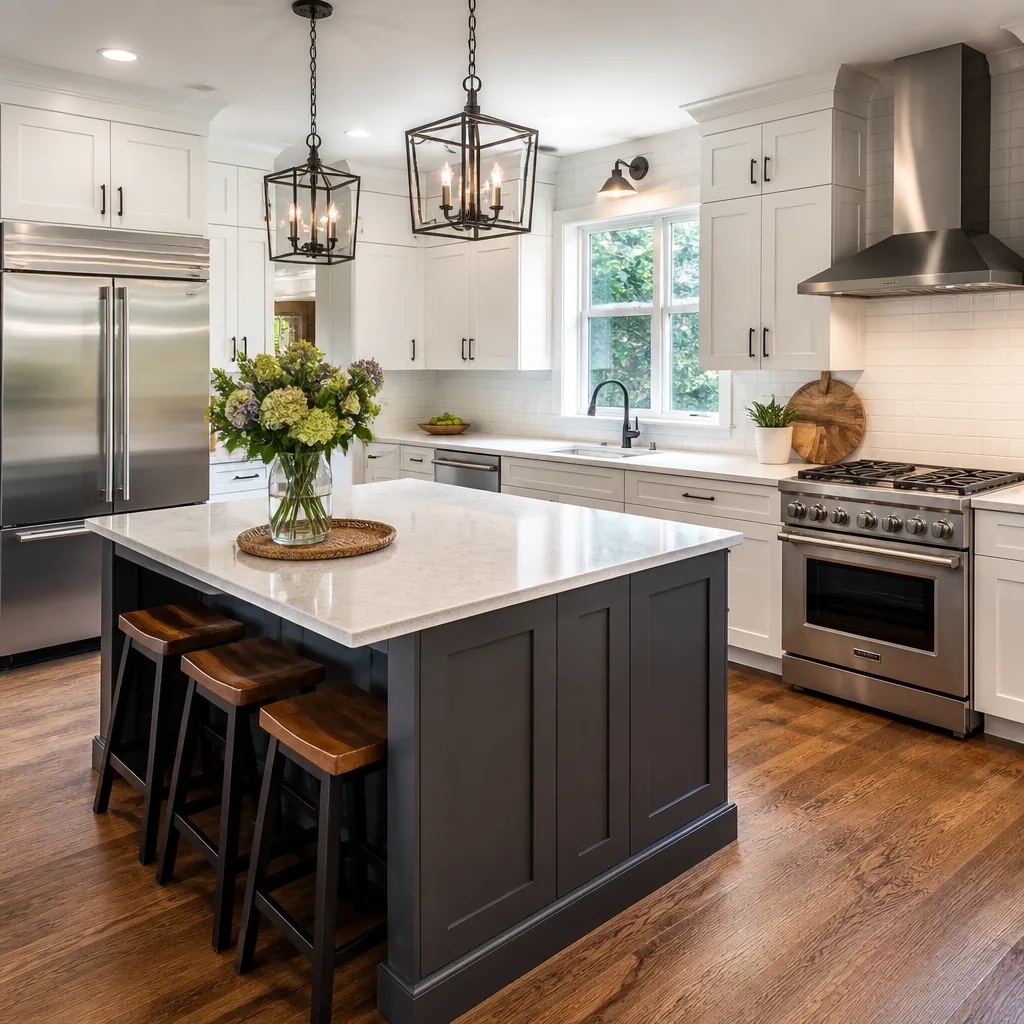
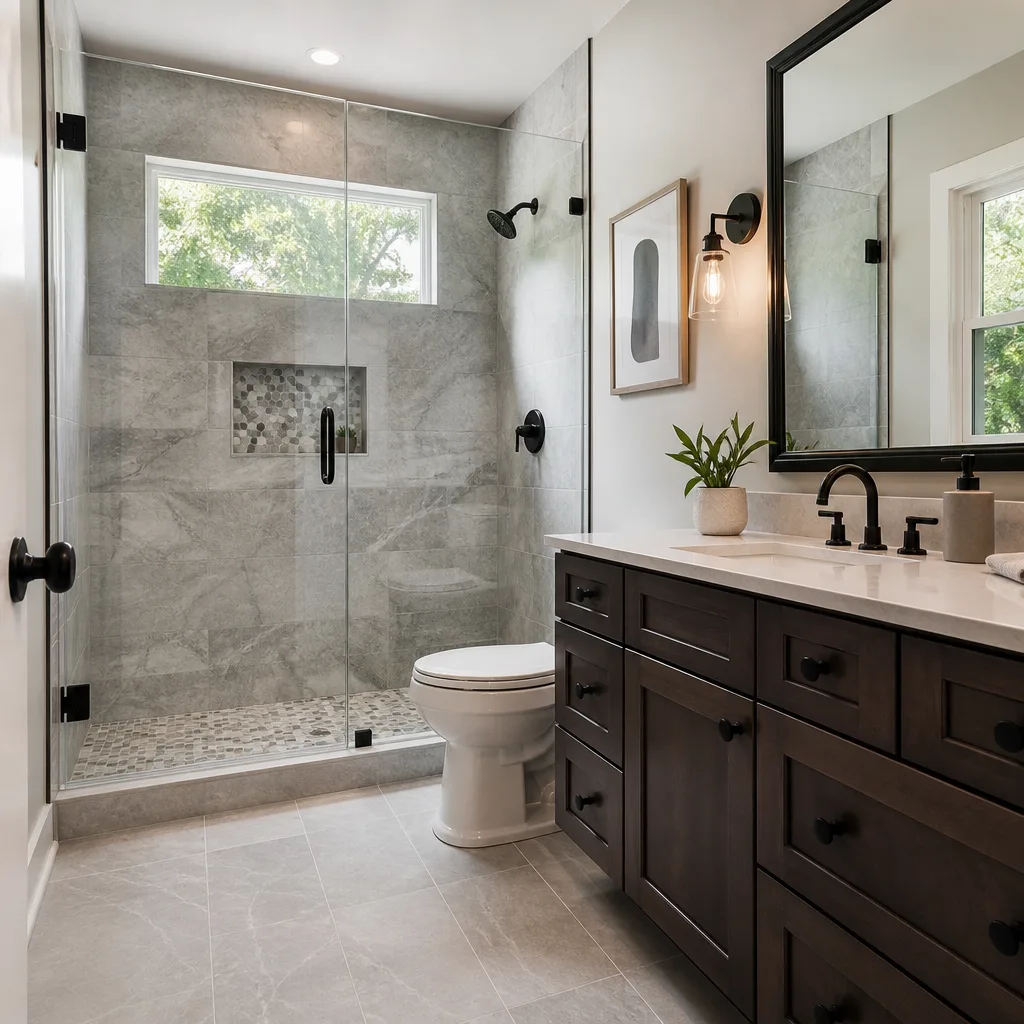
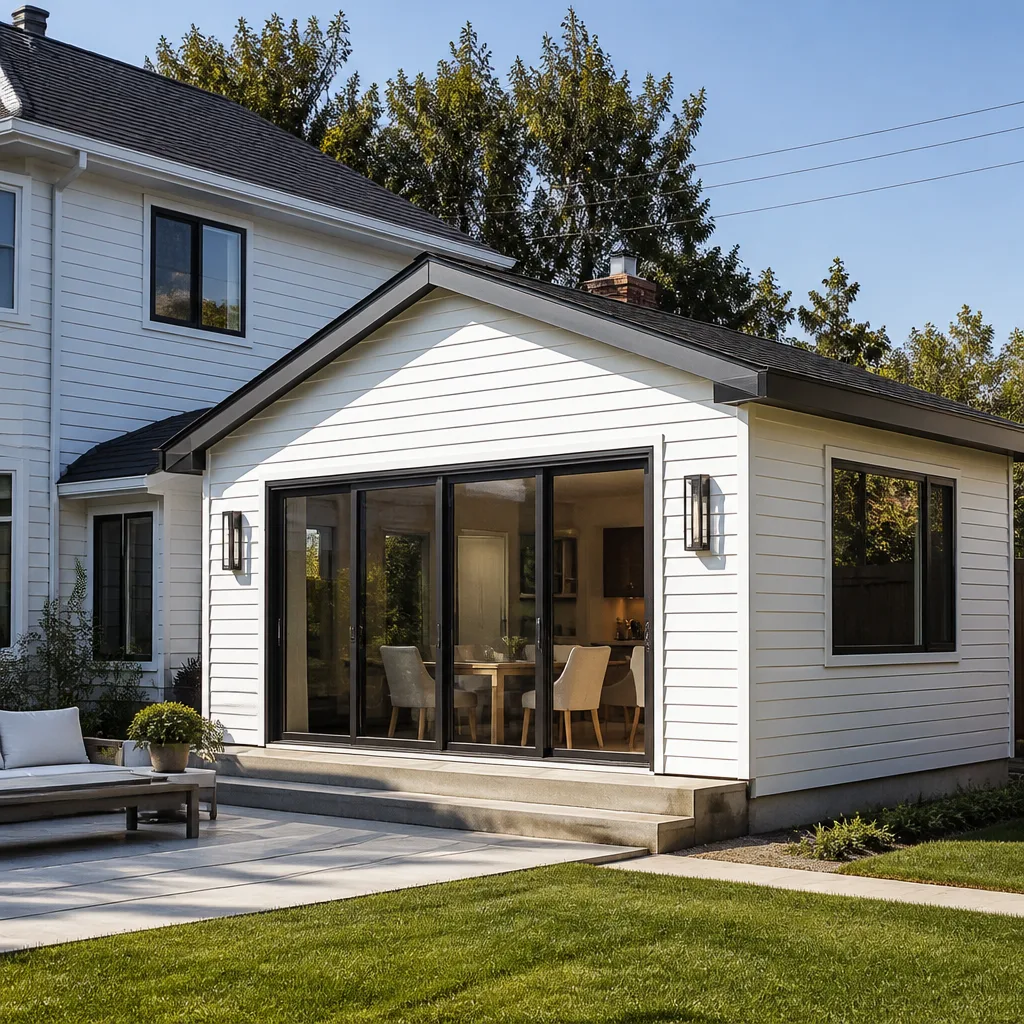

Windows & doors
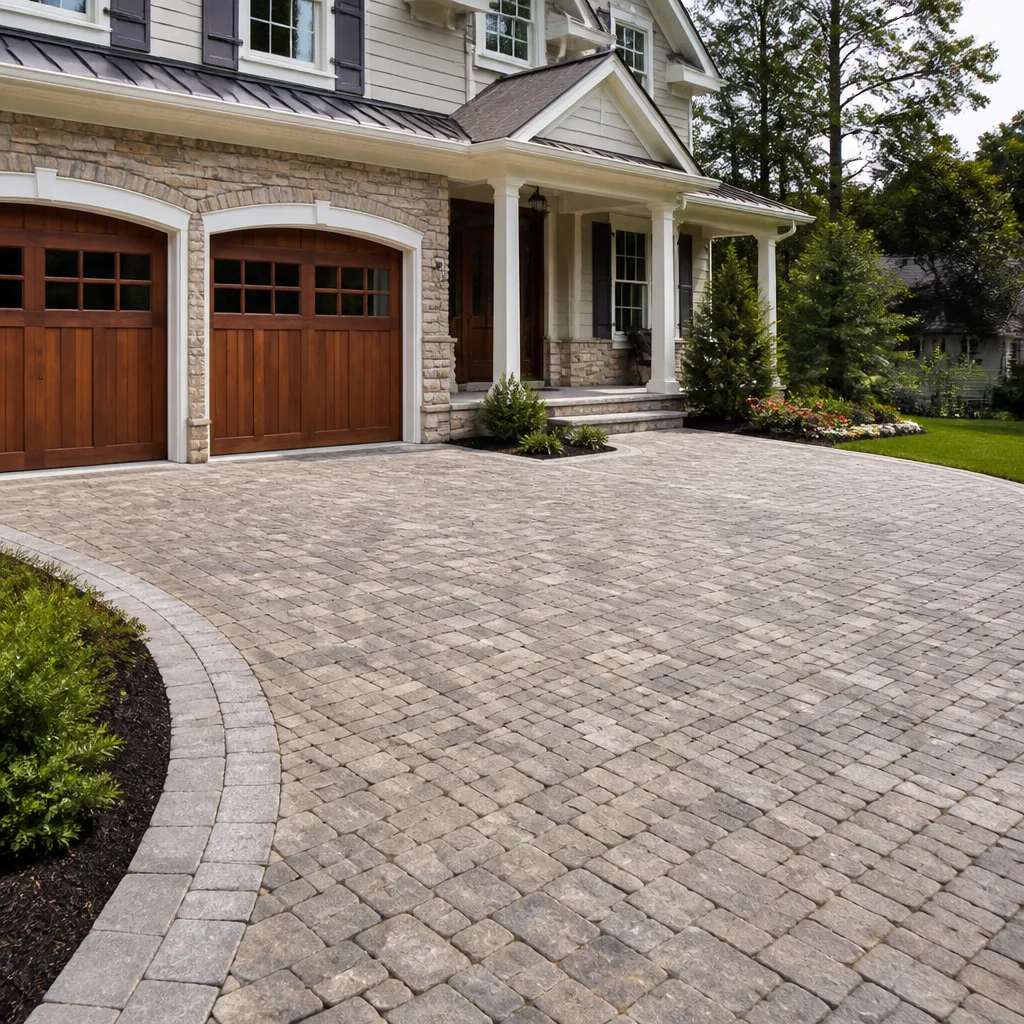
 Before
 After
After Before
 After
After Before
 After
AfterDIY vs Professional Construction: The Santa Clara Homeowner’s Decision Guide
California homeowners can legally self-perform most construction on their primary residence. But the moment they sell, any unpermitted work they disclosed as “owner-built” requires the buyer to sign a form acknowledging reduced code compliance, which shrinks the buyer pool and suppresses sale price. In Santa Clara’s competitive resale market, where median home prices hover near $1.5 million and buyers bring sharp inspectors, that disclosure penalty can cost far more than the original savings. This guide breaks down where DIY makes sense, where it creates legal and financial exposure, and how to decide based on permit rules, insurance realities, and resale documentation requirements specific to Santa Clara County.
Quick Answer
DIY construction in Santa Clara is legally permitted for cosmetic and non-structural work on your primary residence, but structural, electrical, plumbing, and gas work requires licensed subcontractors even under an owner-builder permit. The real risk isn’t the building department - it’s the Transfer Disclosure Statement at resale, where unpermitted owner-built work triggers buyer acknowledgments that reduce offers. For projects involving permits, structural loads, or systems that affect safety, hiring a licensed contractor with documented insurance and a written warranty protects both your home’s value and your liability exposure.
Table of Contents
- The California Owner-Builder Permit: What It Actually Allows
- Where DIY Makes Sense in Santa Clara
- Trades That Require Licensed Subcontractors by Law
- How Your Insurance Responds to Self-Performed Work
- Resale Documentation: The Transfer Disclosure Statement Reality
- Cost Comparison: Three Borderline Projects
- Permit Costs and Timelines in Santa Clara
- The Documented Record: What Professional Work Delivers
 Before
 After
AfterThe California Owner-Builder Permit: What It Actually Allows
California’s Business and Professions Code Section 7044 allows homeowners to act as their own general contractor on a single-family residence they intend to occupy. The owner-builder exemption is broad but not unlimited, and the restrictions matter more than most Santa Clara homeowners realize.
Under an owner-builder permit, you can:
- Act as your own general contractor and hire unlicensed day laborers for non-specialty work
- Perform framing, drywall, painting, and finish carpentry yourself
- Install flooring, cabinets, and fixtures that don’t connect to regulated systems
- Manage the project timeline and material procurement directly
What you cannot do, even as owner-builder:
- Perform electrical work exceeding 100 amps or involving panel upgrades without a C-10 licensed electrician
- Install, extend, or modify gas lines without a C-36 licensed plumbing contractor
- Perform structural work that alters load paths without engineering review and licensed execution
- Build or alter a roof structure without a C-39 roofing contractor or B-general with appropriate specialty
- Sell the property within one year of completion without disclosing the owner-builder status on the Transfer Disclosure Statement
The one-year resale restriction catches many Santa Clara homeowners off guard. The Silicon Valley job market moves fast - relocations to Austin, Seattle, or remote arrangements trigger sales that the owner-builder permit complicates. If you pull an owner-builder permit in March 2025 and receive a job offer in Palo Alto by February 2026, you’re still within the disclosure window.
We’ve reviewed projects in Rivermark and the Old Quad where homeowners assumed the owner-builder exemption covered everything. It doesn’t. The City of Santa Clara Building Department will flag specialty trade work performed without proper licensing during inspection, and failed inspections delay occupancy and trigger re-inspection fees.
Where DIY Makes Sense in Santa Clara
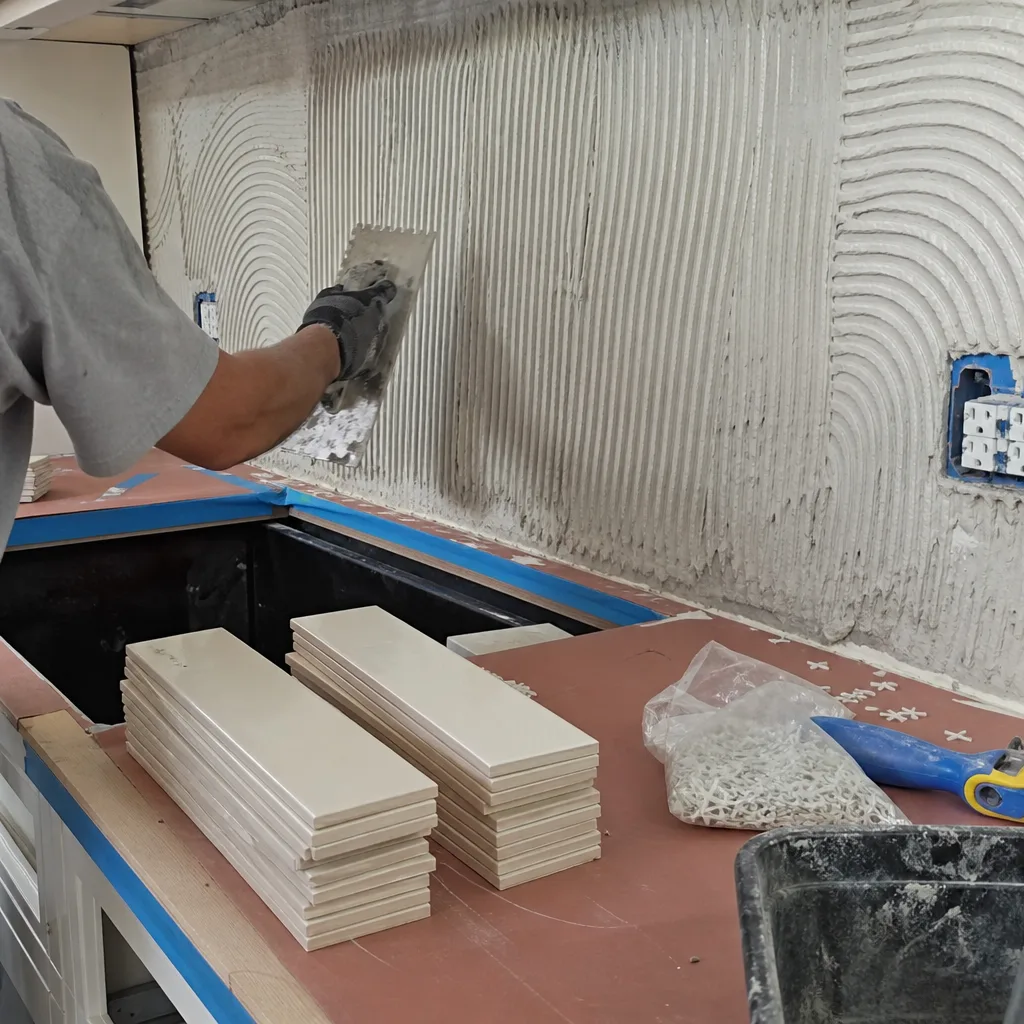
Not every project needs a contractor. The dry Mediterranean climate of Santa Clara - hot, rainless summers and mild, wet winters - creates conditions where certain homeowner-performed work holds up well and carries minimal risk; see our Seasonal Construction Care for Santa Clara for maintenance timing tips.
Appropriate DIY projects:
- Interior painting - No permit required for same-color repainting. Proper prep (sanding, priming, two finish coats) yields professional results with Benjamin Moore Regal or Sherwin-Williams Duration. The low humidity in Santa Clara summers actually improves cure times.
- Tile setting on stable substrates - Bathroom floors and backsplashes over existing concrete or cement board. Use Laticrete 254 Platinum thinset and proper 1/8-inch expansion joints. Avoid wet-area shower walls; the waterproofing membrane (NobleSeal CIS or Schluter-Kerdi) requires certified installation for warranty coverage.
- Landscape hardscaping under 30 inches - Pavers, gravel beds, and planter walls below the permit threshold. Santa Clara’s expansive clay soils in the Alviso area and sandy loams near De La Cruz Boulevard behave differently; Belgard and Techo-Bloc both publish installation guides calibrated to Bay Area soil conditions.
- Cabinet hardware and fixture replacement - Pulls, knobs, and like-for-like faucet swaps that don’t alter supply lines. Kohler and Delta both design homeowner-installable lines with quick-connect fittings.
- Decorative trim and millwork - Crown molding, baseboards, and wainscoting in non-structural applications. Pre-primed MDF holds paint well in Santa Clara’s stable indoor humidity.
The common thread: no permit, no structural load, no regulated system connection, and no warranty dependency on certified installation. When a project touches any of those four factors, the risk calculus shifts.
We’ve seen capable DIY work in the Laurelwood and Pomeroy neighborhoods where homeowners understood their limits. The problems arise when competence in one area creates overconfidence in another - the homeowner who tiled a bathroom floor successfully and then attempted a subpanel upgrade.
Trades That Require Licensed Subcontractors by Law
California’s licensing thresholds are specific and enforced. The Contractors State License Board (CSLB) actively investigates complaints, and the City of Santa Clara Building Department verifies licenses at permit application for specialty trades.
Electrical work exceeding 100 amps
Any service panel work, subpanel installation, or circuit extension beyond 100 amps requires a C-10 licensed electrician. Santa Clara’s older housing stock in the Washington neighborhood and parts of Westwood includes 100-amp services that can’t handle modern HVAC and EV charging loads. The upgrade to 200 amps isn’t a tutorial project - arc-fault and ground-fault requirements in the 2023 California Electrical Code have made residential panel work genuinely complex.
Gas line work of any scope
C-36 license required for all gas line installation, extension, or modification. This includes appliance connections, fireplace inserts, and generator feeds. PG&E requires a pressure test and inspection for any new gas work; self-performed gas work that leaks creates criminal liability under California Penal Code 386.
Structural modifications
Load-bearing wall removal, beam installation, foundation work, and second-story additions all require engineering calculations and licensed execution. The Santa Clara Valley’s seismic requirements - Title 24, Part 2.5 - specify connection details, hold-down requirements, and shear wall nailing patterns that aren’t intuitive.
Roofing on structures over one story
C-39 license required. Steep-slope work above 12 feet carries fall-risk exposure that homeowner’s insurance typically excludes from self-performed work coverage.
Plumbing beyond fixture replacement
C-36 license required for drain, waste, and vent modifications; water heater installation; and repiping. Santa Clara’s water hardness (average 120 ppm) accelerates copper corrosion, and improper soldering creates leak points that manifest years later.
The owner-builder permit doesn’t override these requirements. You can pull the permit, but you must hire licensed subcontractors for the specialty work. Many Santa Clara homeowners discover this mid-project, having budgeted for materials and their own labor only.
How Your Insurance Responds to Self-Performed Work
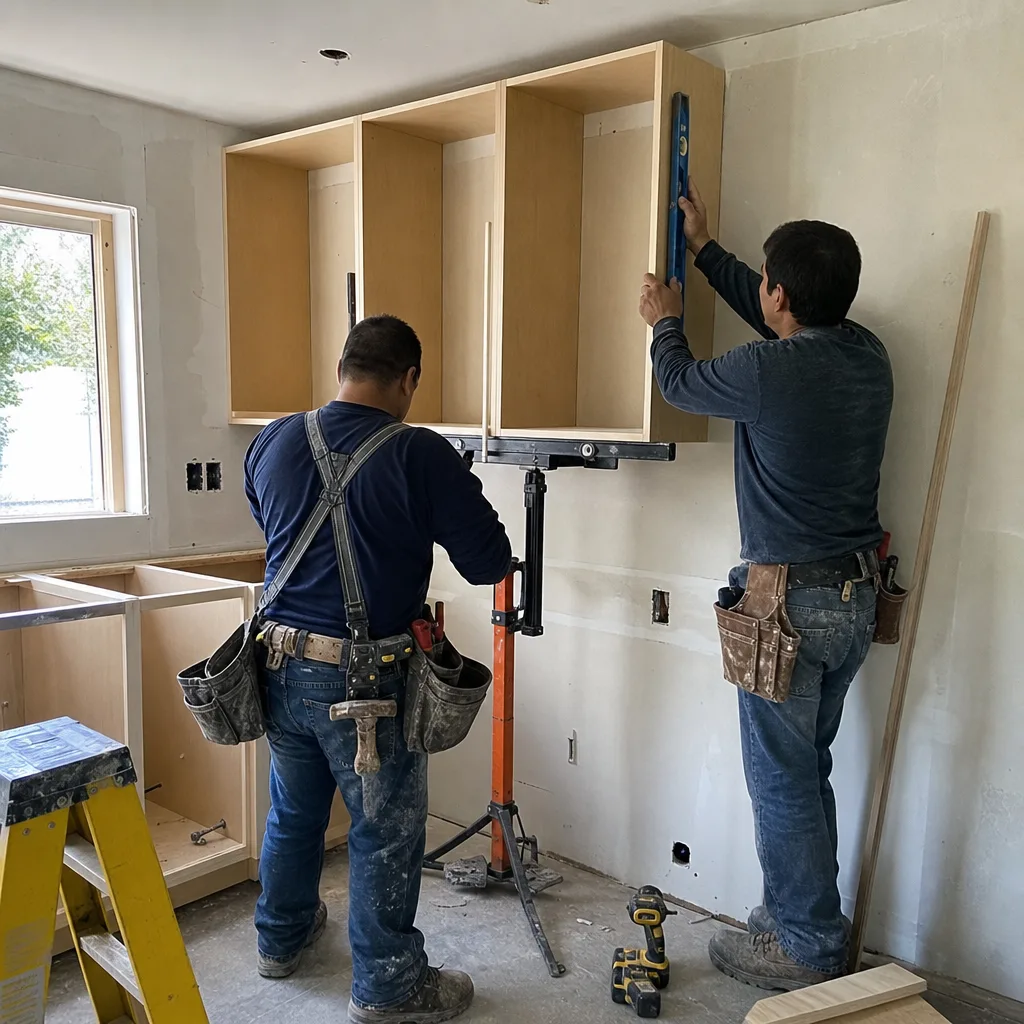
This is where the DIY vs. professional distinction becomes expensive. Standard HO-3 homeowner’s policies in California contain specific exclusions for damage caused by work performed by unlicensed individuals, including the policyholder.
Scenario: Self-performed electrical work causes fire
Your policy’s “faulty workmanship” exclusion likely applies. The carrier may deny the fire damage claim, leaving you with repair costs, temporary housing, and potential liability to neighbors if the fire spreads. In Santa Clara’s dense housing configurations - particularly the townhome clusters near Lawrence Expressway - fire propagation risk is real.
Scenario: Licensed, insured contractor’s work causes fire
The contractor’s general liability and workers’ compensation policies respond first. Your homeowner’s policy serves as secondary coverage. The contractor’s carrier handles remediation, and their bond provides additional recourse. This is why Rowan Construction Group Santa Clara home carries documented general liability, workers’ compensation, and a CSLB bond - the coverage is verifiable, not assumed.
Workers’ injury on your property
If you hire unlicensed day laborers under an owner-builder permit and one is injured, your homeowner’s policy may deny the workers’ compensation claim. You’re now personally liable for medical costs, lost wages, and potential disability. Licensed contractors carry workers’ compensation; their employees are covered, and your exposure is isolated.
We’ve reviewed claims scenarios with Santa Clara insurance agents who confirm: the policy language hasn’t kept pace with the owner-builder trend, and denials for self-performed specialty work are increasingly common. The savings from skipping the contractor premium evaporate against a single denied claim.
Resale Documentation: The Transfer Disclosure Statement Reality
This is the factor most Santa Clara homeowners don’t discover until they’re in escrow. California Civil Code Section 1102 requires sellers to disclose all material facts affecting property value - including construction history.
The TDS Section C disclosure requirement:
If any portion of the property was constructed by an owner-builder, the seller must check “Yes” and provide details. The buyer then receives a statutory advisement that owner-built work may not comply with all building codes, and the buyer must acknowledge this in writing.
What this means in practice:
- Buyer pool reduction - First-time buyers with FHA or VA financing face stricter appraisal requirements for owner-built work. Conventional buyers with sharp agents negotiate inspection contingencies that specifically test unpermitted or owner-built elements.
- Price suppression - Santa Clara buyers factor remediation risk into offers. A kitchen with owner-built cabinets and unpermitted electrical might function perfectly, but the buyer’s lender or insurer may require permits before closing.
- Title company requirements - Santa Clara County title companies increasingly require permit verification for additions, ADUs, and structural modifications. Unpermitted work triggers a “cloud on title” that must be resolved before closing, often through a retroactive permit process that costs more than original permitted construction.
- Inspector flagging - Home inspectors in the Santa Clara market are thorough. An ADU without permit history, a bathroom with no visible plumbing permit, or a deck without structural documentation goes into the inspection report, which becomes a renegotiation tool.
We’ve been called to remediate owner-built work in Sunnyvale, Cupertino, and Santa Clara proper where the seller is 45 days from closing and the buyer’s inspector found unpermitted electrical. The retroactive permit process, including opening walls for inspection, costs 2-3x the original professional installation would have. Under Clause 1 of the Haven Standard, Kitchen Remodeling in Santa Clara includes permit procurement as standard - not because it’s convenient, but because it’s a resale asset.
Cost Comparison: Three Borderline Projects
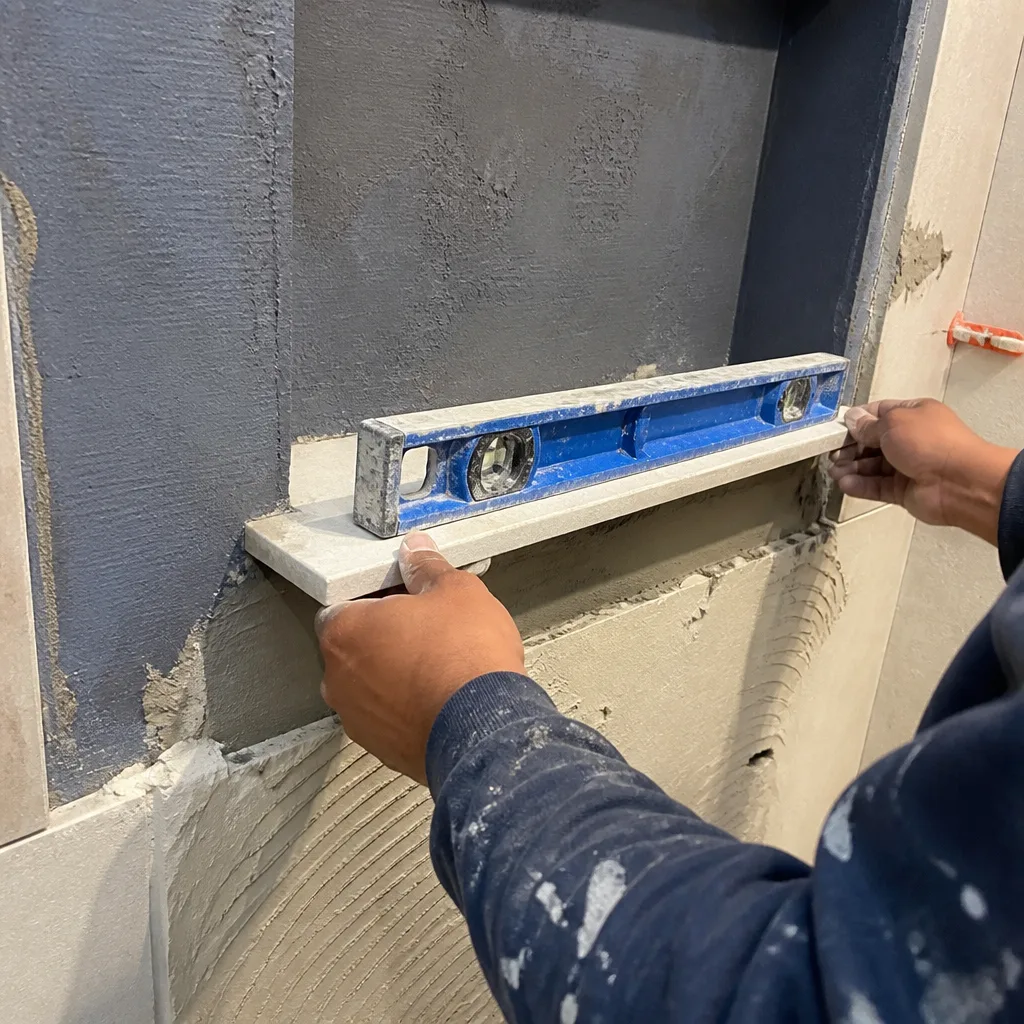
The DIY vs. professional decision often comes down to perceived savings. Here are three common Santa Clara projects with actual cost ranges, including permit fees and the hidden costs most homeowners omit.
Project 1: Bathroom floor tile, 40 square feet
| Cost Component | DIY | Professional |
|---|---|---|
| Tile (porcelain, mid-grade) | $280-$400 | $280-$400 |
| Thinset and grout | $45-$65 | $45-$65 |
| Cement backer board | $60-$80 | $60-$80 |
| Tools (wet saw, trowels, mixer) | $150-$250 | $0 (included) |
| Labor | $0 | $800-$1,200 |
| Permit | $0 (not required) | $0 (not required) |
| Waste removal | $50-$75 | $0 (included) |
| Total | $585-$870 | $1,185-$1,745 |
| Time to complete | 2-3 weekends | 1-2 days |
| Resale documentation | None needed | None needed |
Verdict: DIY is financially rational for competent tilers. The gap is real but modest; value your time at $50/hour and the savings narrow significantly.
Project 2: Electrical subpanel upgrade, 100A to 200A
| Cost Component | DIY (Illegal) | Professional |
|---|---|---|
| Panel and breakers | $400-$600 | $400-$600 |
| Wire and conduit | $200-$350 | $200-$350 |
| Permit and inspection | $0 (can’t obtain) | $350-$500 |
| C-10 electrician labor | $0 (not licensed) | $1,800-$2,800 |
| PG&E coordination | $0 | $0 (included) |
| Total | Not legally possible | $2,750-$4,250 |
| Insurance coverage if fire | Denied | Contractor’s GL + your HO-3 |
| Resale documentation | None - major liability | Permit history, inspection sign-off |
Verdict: Not a borderline project. The DIY column exists only to show material costs; actual self-performance is illegal and uninsurable. Bathroom Remodeling in Santa Clara that includes electrical upgrades always routes through licensed C-10 subcontractors.
Project 3: Ground-level deck, 200 square feet, pressure-treated lumber
| Cost Component | DIY | Professional |
|---|---|---|
| Lumber and fasteners | $1,800-$2,400 | $1,800-$2,400 |
| Concrete piers and hardware | $300-$450 | $300-$450 |
| Permit and inspection | $450-$650 | $450-$650 |
| Engineering (if required) | $0-$800 | $0-$800 |
| Labor | $0 | $3,500-$5,000 |
| Tool rental (auger, compressor) | $200-$350 | $0 (included) |
| Total | $2,750-$4,650 | $6,050-$9,300 |
| Time to complete | 3-4 weekends | 3-5 days |
| Warranty | None | 365-Day Done Right Promise |
| Resale documentation | Permit in your name | Permit + contractor documentation |
Verdict: The savings are substantial - if you have framing competence, time, and tolerance for the owner-builder resale disclosure. For Santa Clara homeowners planning to stay 5+ years, DIY is defensible. For those with mobility risk (tech employment, visa status, divorce potential), the professional route preserves optionality.
Permit Costs and Timelines in Santa Clara
The City of Santa Clara Building Department operates under the 2022 California Building Code with local amendments. Permit costs scale with project valuation, and timelines vary by trade complexity.
Typical permit fees:
- Kitchen remodel (no structural, no electrical panel): $450-$850, 2-3 week review
- Bathroom remodel with plumbing relocation: $350-$700, 2-3 week review
- Electrical subpanel upgrade: $350-$500, 1-2 week review
- Roof replacement (like-for-like): $250-$400, 3-5 day review
- ADU (detached, under 800 sq ft): $2,500-$4,500, 6-10 week review
- Home addition (500 sq ft): $1,800-$3,200, 4-8 week review
- Fence over 7 feet or retaining wall over 4 feet: $200-$400, 1-2 week review
Santa Clara offers over-the-counter permits for simple projects - water heater replacement, like-for-like window swap - but most remodeling work requires plan review. The city accepts digital submissions through the ProjectDox portal, which reduces paper handling but doesn’t accelerate review times.
Owner-builder permits carry the same fees as contractor permits. The difference is in the application: owner-builders must sign an affidavit acknowledging the one-year resale restriction and the requirement to hire licensed subcontractors for specialty trades. The Building Department will not issue an owner-builder permit for projects that clearly require C-10, C-36, or C-39 work to be self-performed.
We’ve pulled permits in Santa Clara since 2007. The department is professional and consistent, but they’re not fast. Planning for permit timeline in your project schedule is essential whether you’re DIY or hiring Roofing in Santa Clara or any other trade.
The Documented Record: What Professional Work Delivers
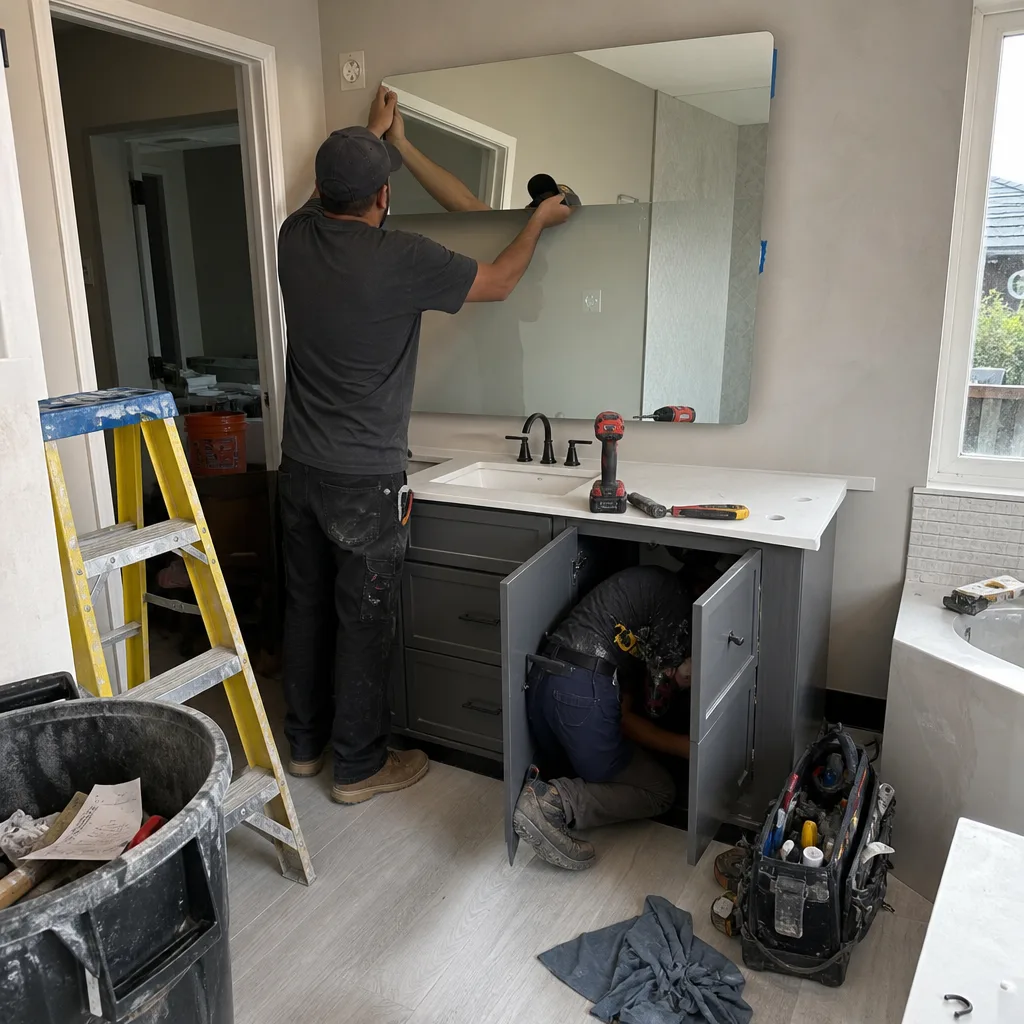
This is where the comparison shifts from cost to value preservation. Professional construction creates a paper trail that becomes an asset at resale, during insurance claims, and for warranty enforcement.
What Rowan Construction Group delivers on every project:
- Written price before work starts - Under Clause 1 of the Haven Standard, the quote is a flat price with written scope and written warranty. No “call for pricing,” no allowance-based estimates that balloon. The number you agree to is the number you pay, within a few percent, because no change proceeds without a signed change order.
- Permit procurement and inspection scheduling - We pull permits, coordinate inspections, and ensure sign-offs. The permit history attaches to the property, not the person, so resale disclosure is clean.
- Documented photo record on every visit - Included as standard, not an upgrade. The customer receives dated photos of substrate conditions, work-in-progress, and completed installation. This becomes evidence for warranty claims, insurance documentation, and buyer confidence at resale.
- Licensed subcontractor verification - Every C-10, C-36, and C-39 subcontractor is license-verified, insured, and bonded. The documentation is available on request; we don’t assume compliance, we verify it.
- 365-Day Done Right Promise - If it’s not done right, we make it right. The guarantee is printed on every page and backed by a terms page, not an asterisk. In eighteen years and 4,000-plus projects, this promise has been tested and honored.
- Background-checked, uniformed technicians - Every crew member verified before arrival. A live person answers calls 24/7. The experience is professional because the work is professional.
The DIY route delivers none of this. The owner-builder permit creates a personal liability chain. The workmanship is only as good as your skill and available time. And the documentation, if it exists at all, is in a file box that may not survive your next move.
For Santa Clara homeowners who bought between 2015 and 2025 at peak prices, preserving equity isn’t abstract - it’s the difference between profitable sale and underwater mortgage. Professional documentation is an equity preservation tool, not a luxury.
Common Mistakes to Avoid
- Assuming the owner-builder permit covers all trades. It doesn’t. Electrical, gas, and structural still require licensed subcontractors, and the Building Department will reject inspections where unlicensed work is evident.
- Skipping permits for “minor” structural changes. Santa Clara inspectors have flagged beam pockets, header modifications, and point-load transfers that homeowners assumed were cosmetic. The retroactive permit costs 3x the original.
- Hiring unlicensed handymen for electrical or plumbing. The CSLB operates sting operations in Santa Clara County. Your unlicensed worker faces misdemeanor charges; you face permit revocation and insurance denial.
- Underestimating tool costs for one-time projects. The wet saw, compressor, and specialty fasteners for a tile job cost $400-$600. You’ll use them once. Professional labor includes tool amortization.
- Ignoring the resale disclosure timeline. The one-year owner-builder restriction aligns poorly with Silicon Valley employment volatility. If there’s any chance of sale within 24 months, professional permitting preserves marketability.
- Confusing YouTube competence with code compliance. A video tutorial from Florida doesn’t account for California seismic requirements, Santa Clara’s specific amendments, or PG&E coordination protocols. Code compliance and functional installation are different standards.
- Neglecting to verify contractor insurance before hiring. Even when going professional, not all contractors carry adequate coverage. Request certificates of insurance, verify license status on cslb.ca.gov, and confirm the policy dates cover your project timeline.
When to Call a Professional
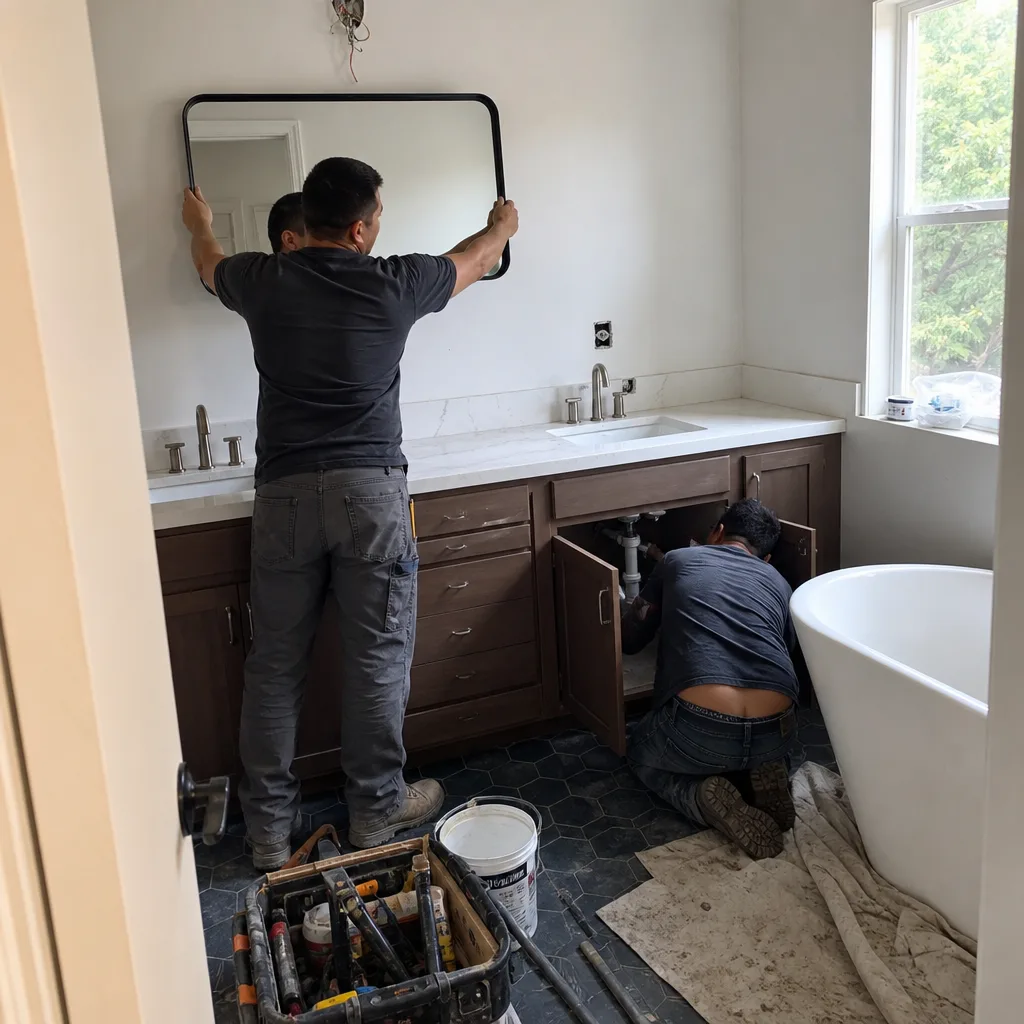
Call a licensed contractor when the project touches structural loads, regulated systems, permit requirements, or resale documentation needs. In Santa Clara, this means electrical panel work, gas line modifications, load-bearing wall removal, roof replacement, ADU construction, and any project where you’ll sell within two years.
Rowan Construction Group Santa Clara offers free estimates in Santa Clara. We’ll review your project scope, identify permit requirements, and deliver a written price before any work starts. Call (669) 259-1843 to schedule. We also provide a Free Second Opinion on any written estimate - bring a competitor’s quote and we’ll review it line by line at no charge.
Frequently Asked Questions
A professional kitchen remodel in Santa Clara typically ranges $45,000-$85,000 for a full renovation including cabinets, countertops, appliances, and permit-compliant electrical; after completion, follow our Kitchen Remodeling Maintenance Checklist for Santa Clara Homeowners to protect your investment. DIY material costs for the same scope run $18,000-$32,000, but the owner-builder permit requires licensed electrical and plumbing subcontractors, reducing actual savings to 15-25% after permit fees and tool costs. Call (669) 259-1843 for an exact quote on your specific kitchen - estimates are free.
Yes, California allows owner-builder permits for ADUs on owner-occupied properties. However, ADUs require structural engineering, electrical, plumbing, and often roofing work that must be performed by licensed subcontractors even under your permit. The City of Santa Clara’s ADU review takes 6-10 weeks, and owner-builder status must be disclosed on resale within one year. Most Santa Clara ADU owners find that a general contractor’s permit procurement and subcontractor management justifies the fee.
Probably not. Standard HO-3 policies contain “faulty workmanship” exclusions that apply to self-performed electrical, plumbing, and structural work. If your DIY wiring causes a fire, the carrier will likely deny the claim and may cancel your policy. Licensed contractor work triggers the contractor’s general liability coverage first, with your policy as secondary protection.
You must disclose the work on the Transfer Disclosure Statement. The buyer receives a statutory advisement that owner-built work may not meet all code requirements, and must acknowledge this in writing. This typically reduces the buyer pool (FHA/VA buyers may be excluded), triggers price renegotiation, and may require retroactive permitting that costs more than original professional installation. Title companies in Santa Clara County increasingly verify permits for additions and structural work.
Yes. Roof replacement requires a permit from the City of Santa Clara Building Department, whether performed by a homeowner or contractor. If the structure is over one story, a C-39 licensed roofing contractor is required by law. Steep-slope work carries fall-risk exposure that homeowner’s insurance typically excludes from self-coverage. For Roofing in Santa Clara, professional installation includes permit, inspection, and warranty documentation.
Visit cslb.ca.gov and enter the contractor’s license number to verify status, bond, and workers’ compensation coverage. Request a certificate of insurance directly from the contractor’s agent (not the contractor) showing general liability and workers’ compensation with dates covering your project. Rowan Construction Group’s license and insurance documentation is available on request; we encourage verification because informed customers make better decisions.
The Bottom Line
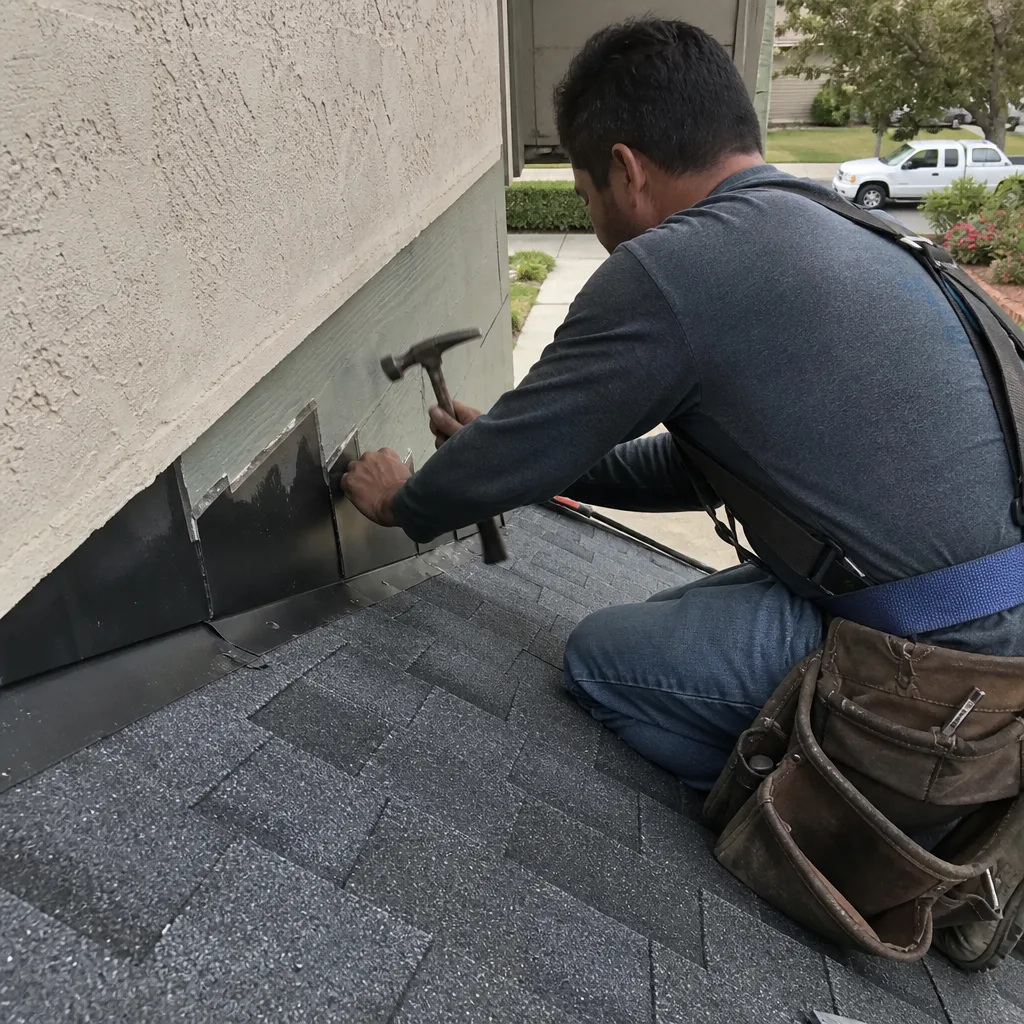
DIY construction in Santa Clara is legally viable for cosmetic, non-structural, non-permitted work. The savings are real for painting, basic tile, and landscaping under 30 inches. But the moment a project involves electrical, gas, structural loads, or permits, the owner-builder route creates legal constraints, insurance gaps, and resale liabilities that compound over time. In a market where median homes trade near $1.5 million and buyers bring sharp inspectors, professional documentation isn’t a luxury - it’s equity protection. The question isn’t whether you can do the work; it’s whether the savings survive the permit office, the insurance adjuster, and the title company’s closing checklist. For more guides & resources on navigating Santa Clara construction decisions, explore our blog.
Written by Grant Rowan, Owner at Rowan Construction Group Santa Clara, serving Santa Clara since 2007.