
Last updated September 24, 2026
Free written scope consultation - allowances, timeline, and change-order rules on paper before a single trade is scheduled
Windows & doors
 Before
 After
After Before
 After
After Before
 After
AfterConstruction Cost Breakdown: The Santa Clara Homeowner’s Reference for 2026
Santa Clara labor rates for union-scale finish carpenters run $95-$115 per hour in 2025, roughly 40% above the national average. That single gap explains why Bay Area project estimates shock homeowners who researched costs on national remodeling websites and expected numbers from Phoenix or Atlanta. In this guide, we put actual 2026 dollars to each cost category, line by line, so you can read any bid with informed eyes and spot what’s missing before you sign.
Quick Answer
A typical Santa Clara construction project in 2026 breaks down to 40-50% labor, 25-35% materials, 8-15% permits and design/engineering, and 15-25% contractor overhead and profit. A midrange kitchen remodel runs $85,000-$140,000; a full bathroom remodel $45,000-$85,000; a 400-square-foot room addition $220,000-$340,000; and a detached ADU $320,000-$480,000. Permits alone add $4,000-$12,000 depending on project type, and material price volatility clauses are now standard in well-written contracts. For a deeper look at local requirements, see our guide to Construction Permits, Codes & Inspections in CA: What You Need to Know.
Table of Contents
- Why Santa Clara Labor Costs What It Does
- Material Costs by Category: What Moves and What Doesn’t
- Permits, Fees, and the Costs Competitors Hide
- Contractor Overhead and Margin: Reading Between the Lines
- The Five Change Orders That Blow Santa Clara Budgets
- Per-Square-Foot Costs by Project Type
- Contract Clauses That Protect Your Number
- Common Mistakes to Avoid
- When to Call a Professional
- Frequently Asked Questions
 Before
 After
AfterWhy Santa Clara Labor Costs What It Does
Construction wages in Santa Clara County track the broader tech economy, not the national building trades. A journeyman electrician here earns $48-$62 per hour in base wage, plus $18-$24 in benefits and payroll burden, for a loaded cost of $66-$86 per hour to the contractor. A finish carpenter with union scale runs higher. A tile setter who can execute a proper waterproofing membrane, float a mud bed, and set large-format porcelain without lippage commands premium rates because that skill set is scarce.
These aren’t inflated numbers. They’re market rates driven by housing costs, commute distances, and competition from tech employers who recruit the same pool of mechanically inclined workers. We’ve lost good apprentices to Tesla and to semiconductor fabs in North San Jose. The result: a Santa Clara kitchen remodel carries labor costs that would frame an entire house in the Midwest.
Here’s how labor typically distributes across trades in a Santa Clara remodel:
- Demolition and rough carpentry: 15-20% of labor budget
- Electrical and plumbing rough-in: 20-25%
- Drywall, texture, and paint: 15-18%
- Cabinet installation and finish carpentry: 18-22%
- Tile, flooring, and fixture installation: 15-20%
- Final electrical, plumbing, and HVAC connections: 8-12%
The sequencing matters. A delay in rough electrical pushes back insulation inspection, which pushes back drywall, which compresses the finish schedule and can trigger overtime rates. Experienced Santa Clara contractors build float into schedules; budget contractors don’t, and the homeowner pays the difference in change orders.
Material Costs by Category: What Moves and What Doesn’t
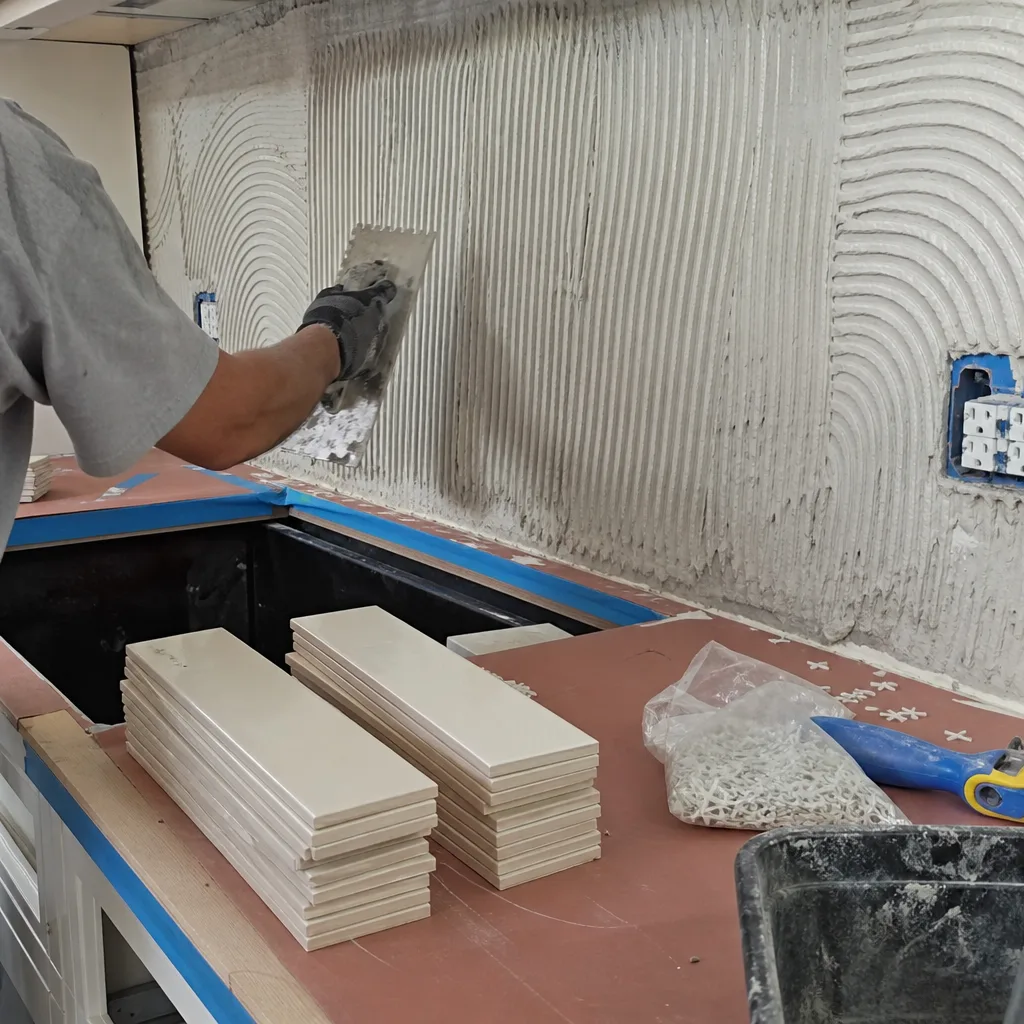
Material pricing in 2026 remains volatile in specific categories, stable in others. Understanding which is which helps you evaluate a contractor’s pricing strategy and contract terms.
Volatile categories (price holds typically 30-60 days):
- Lumber and engineered wood products: Framing lumber has stabilized from 2021 peaks but still fluctuates 8-15% seasonally. Engineered I-joists and LVL beams, common in Santa Clara second-story additions, carry 60-day price holds from most suppliers.
- Copper pipe and fittings: Tied to commodity markets. A 20% swing in six months is not unusual. Many Santa Clara plumbers have shifted to PEX-A for water distribution, but copper remains code-required for certain applications.
- HVAC equipment: Heat pumps and condensing units face supply constraints and tariff exposure. Lead times of 8-14 weeks are common for high-efficiency units that meet California Title 24 requirements.
- Windows and doors: Custom sizing, energy performance ratings, and frame materials (fiberglass vs. vinyl vs. aluminum-clad wood) create wide price bands. A Fleetwood aluminum sliding door system runs 3-4x a standard vinyl slider.
Stable categories (price holds 90-180 days):
- Cabinets: KraftMaid and Wellborn, two brands we quote regularly, offer 90-day price locks with signed orders. Semi-custom lines with 4-6 week lead times allow planning buffers.
- Countertops: Cambria and Caesarstone quartz surfaces hold pricing for 120 days once templated. Natural stone (granite, marble) is more variable based on slab availability.
- Roofing: GAF and Owens Corning asphalt shingles, the bulk of Santa Clara re-roofs, carry stable distributor pricing with 90-day holds. Tile and metal roofs are more variable.
- Fixtures: Kohler, Toto, Moen, Delta, Blanco, and American Standard maintain published price lists with periodic adjustments. A written quote with specified model numbers locks the price.
How a contractor handles volatility separates disciplined operators from those who bury risk in contingency or come back with surprise adders. At Rowan Construction Group, we specify price hold expiration dates in every quote and identify which items carry volatility risk. Under Clause 1 of the Haven Standard, the written price is the written price, so we structure our procurement to make that promise hold.
Permits, Fees, and the Costs Competitors Hide
Santa Clara permit fees follow a schedule that surprises homeowners accustomed to national cost guides. The city processes permits through the Community Development Department, and fee structures include components that many estimates omit entirely.
Typical Santa Clara permit costs for common projects:
| Project Type | Plan Check Fee | Permit Fee | Inspection Fee | School District Impact Fee | Total Permit Cost |
|---|---|---|---|---|---|
| Kitchen remodel (no structural) | $850-$1,200 | $1,100-$1,600 | $400-$600 | $0 | $2,350-$3,400 |
| Bathroom remodel (no structural) | $650-$950 | $850-$1,250 | $300-$500 | $0 | $1,800-$2,700 |
| Room addition (400 sq ft) | $1,800-$2,600 | $2,400-$3,500 | $800-$1,200 | $3,200-$4,800 | $8,200-$12,100 |
| Detached ADU (500 sq ft) | $2,200-$3,200 | $3,000-$4,400 | $1,000-$1,500 | $4,000-$6,000 | $10,200-$15,100 |
| Full re-roof | $0 | $450-$650 | $200-$350 | $0 | $650-$1,000 |
The school district impact fee catches many homeowners unaware. Santa Clara Unified School District and nearby districts levy fees on any project that adds habitable square footage, calculated per square foot of new construction. For a 500-square-foot ADU, this alone adds $4,000-$6,000. Some contractors exclude it from initial estimates to present a lower number, then add it later as a “required fee” the homeowner couldn’t have anticipated. We include it in our first written quote because it’s knowable, calculable, and part of the real cost.
Plan check timelines in Santa Clara run 4-6 weeks for straightforward projects, 8-12 weeks for complex additions or ADUs requiring variances. Expedited review is available for 150% of standard fees but doesn’t guarantee approval speed, only queue priority. Inspection scheduling adds another variable; we’ve seen projects wait two weeks for a foundation inspection during busy spring months.
California Title 24 energy compliance documentation, required for all permitted work, adds $800-$1,500 in third-party energy consultant fees for additions and ADUs. This is separate from structural engineering, which runs $2,500-$5,000 for typical additions and $4,000-$8,000 for ADUs with foundation and utility work.
Contractor Overhead and Margin: Reading Between the Lines
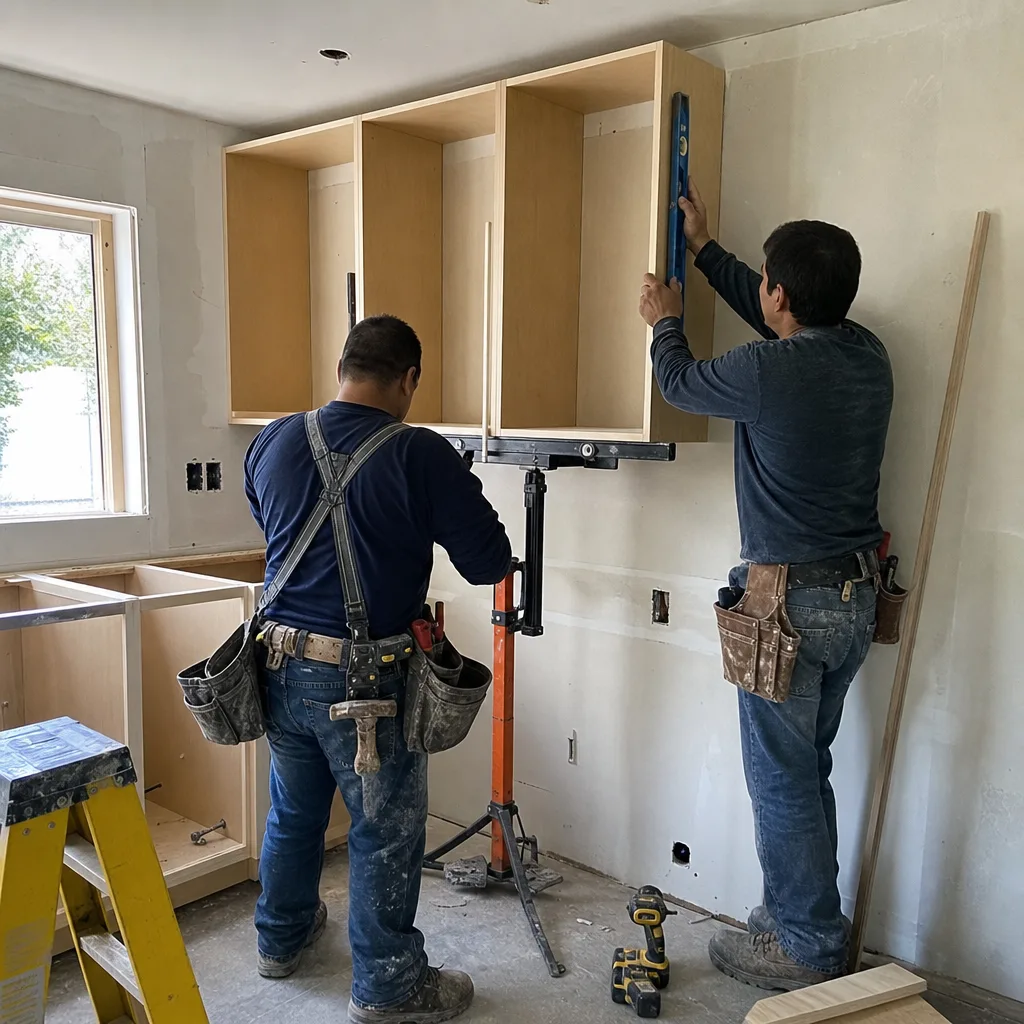
Contractor pricing includes overhead and profit as legitimate cost components, not hidden padding. Understanding how they’re structured helps you evaluate what you’re buying.
Overhead covers fixed business costs: general liability and workers compensation insurance, vehicle fleet, tool inventory, office staff, accounting, and the administrative systems that produce written quotes, signed change orders, and documented photo records. A contractor with a project manager who visits sites daily, a dedicated permit runner, and an office that answers calls with a live person carries higher overhead than a one-person operator working from a truck. The difference shows up in project execution, not just price.
Margin is net profit, typically 8-15% of project cost for established residential contractors in Santa Clara. Below 8% suggests unsustainable pricing or corner-cutting; above 15% may indicate premium positioning or inefficient operations.
Here’s how markup structures break down in practice:
- 15-20% total markup: Often a small operator with minimal overhead, limited subcontractor network, and informal processes. Higher risk of cost overruns, schedule slips, and disputes. May not carry adequate insurance or bonding.
- 25-30% total markup: Typical for established mid-size contractors with office support, project management, and vetted trade partners. Includes systems for documentation, change order control, and warranty fulfillment. This is where Rowan Construction Group operates.
- 35%+ total markup: Large design-build firms with in-house architects, showroom facilities, and extensive staff. May offer convenience and single-point accountability but at significant premium. Some luxury-positioned firms in Palo Alto and Los Altos operate here.
The markup percentage alone doesn’t indicate value. A 20% markup from a disorganized contractor who misses inspections and produces change orders can cost more than a 28% markup from a disciplined operator who hits the number. What matters is what’s included: written scope, fixed price, change order protocol, warranty terms, and documentation standards. Under the Haven Standard, we show our work. The quote specifies labor hours by trade, material allowances by line item, permit fees by category, and overhead as a separate percentage. Nothing is buried.
The Five Change Orders That Blow Santa Clara Budgets
Change orders are the primary mechanism by which construction projects exceed their original budget. In our experience across 4,000-plus projects, five scope additions account for the majority of unexpected costs in Santa Clara remodels. We price these risks upfront when we can identify them, but some conditions are concealed until demolition exposes them.
1. Hidden water damage behind tub surrounds and shower walls
Santa Clara’s mild climate doesn’t produce the freeze-thaw cycling that damages plumbing in colder regions, but decades of slow leaks in 1960s-1980s construction create extensive rot. In the Braly Ranch and Rivermark neighborhoods, we’ve opened showers to find wall cavities saturated through multiple studs. See our Construction Warning Signs: A Santa Clara Homeowner’s Reference Guide for other red flags to catch early. Average impact: $3,500-$8,000 for structural repair, mold remediation, and re-drywall before tile work resumes.
2. Asbestos in pre-1980 acoustic ceiling texture and flooring mastic
Homes built before 1980 in Santa Clara commonly contain asbestos in popcorn ceilings, vinyl floor tiles, and the black mastic beneath them. Disturbing these materials without proper abatement violates California OSHA and EPA regulations. Testing runs $400-$800; abatement of a single room’s ceiling texture runs $2,500-$5,000. Many contractors price demo without testing, then discover the issue and stop work. We test pre-1980 texture as standard practice and include the contingency in our quote.
3. Undersized electrical panels and aluminum wiring
A 100-amp panel was adequate for 1970s Santa Clara homes with gas appliances. Add induction cooking, EV charging, heat pump water heaters, and ADU subpanels, and it’s not. Panel upgrades to 200-amp service run $4,500-$8,500 in Santa Clara, including PG&E coordination, permit, and inspection. Aluminum wiring, found in 1965-1973 construction, requires pigtailing or full replacement at $8,000-$15,000 for a whole house. We identify panel capacity in our initial assessment and specify upgrade costs in the written quote when indicated.
4. Cast-iron drain line deterioration
Santa Clara’s soil conditions and age of housing stock produce corroded cast-iron drain lines, particularly in bathroom remodels where the toilet flange and tub drain are disturbed. A spot repair runs $1,500-$3,500; replacement of a bathroom branch line to the main sewer can reach $6,000-$12,000 if trenching through a concrete slab is required. In the Old Quad and Washington neighborhoods, we’ve encountered original 1920s cast iron still in service, now paper-thin.
5. Non-compliant insulation triggering Title 24 upgrades
Any project that exposes more than 50% of a wall or ceiling cavity triggers California’s mandatory insulation upgrade to current R-value standards. In a Santa Clara kitchen with vaulted ceilings and removed soffits, this can mean insulating 800+ square feet of roof deck with spray foam or rigid board at $3-$5 per square foot, adding $2,400-$4,000 to a project that didn’t anticipate it. We assess exposed cavity areas during design and include compliance costs in our scope.
At Rowan Construction Group, no change proceeds without a signed change order. This isn’t bureaucracy; it’s the administrative discipline that has kept our projects within a few percent of the agreed price since 2007. The customer sees the exact cost impact, the reason for the change, and the revised total before any additional work begins.
Per-Square-Foot Costs by Project Type
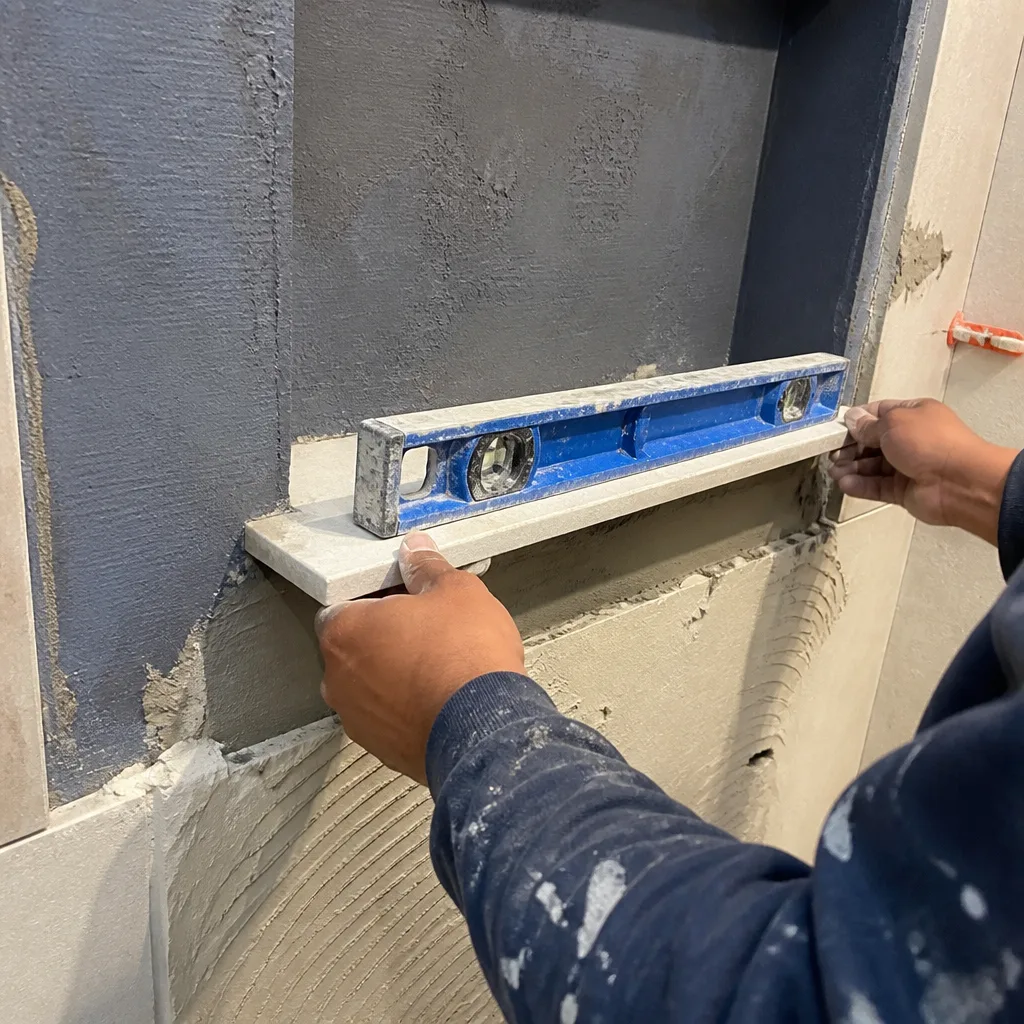
Per-square-foot pricing is an imperfect tool, overused by homeowners and misused by contractors who quote low to get a signature. The ranges below reflect mid-2026 Santa Clara market conditions for competent, permitted work with documented contracts. Low ends assume straightforward conditions, standard materials, and minimal structural modification. High ends assume complex conditions, premium materials, and significant engineering.
Kitchen Remodeling in Santa Clara
| Component | Midrange ($85K-$110K) | Upscale ($110K-$140K) |
|---|---|---|
| Materials (cabinets, counters, appliances, fixtures, tile) | $32,000-$42,000 | $48,000-$65,000 |
| Labor (all trades) | $38,000-$48,000 | $42,000-$52,000 |
| Permits, design, engineering | $6,000-$9,000 | $8,000-$12,000 |
| Overhead and profit | $9,000-$11,000 | $12,000-$11,000 |
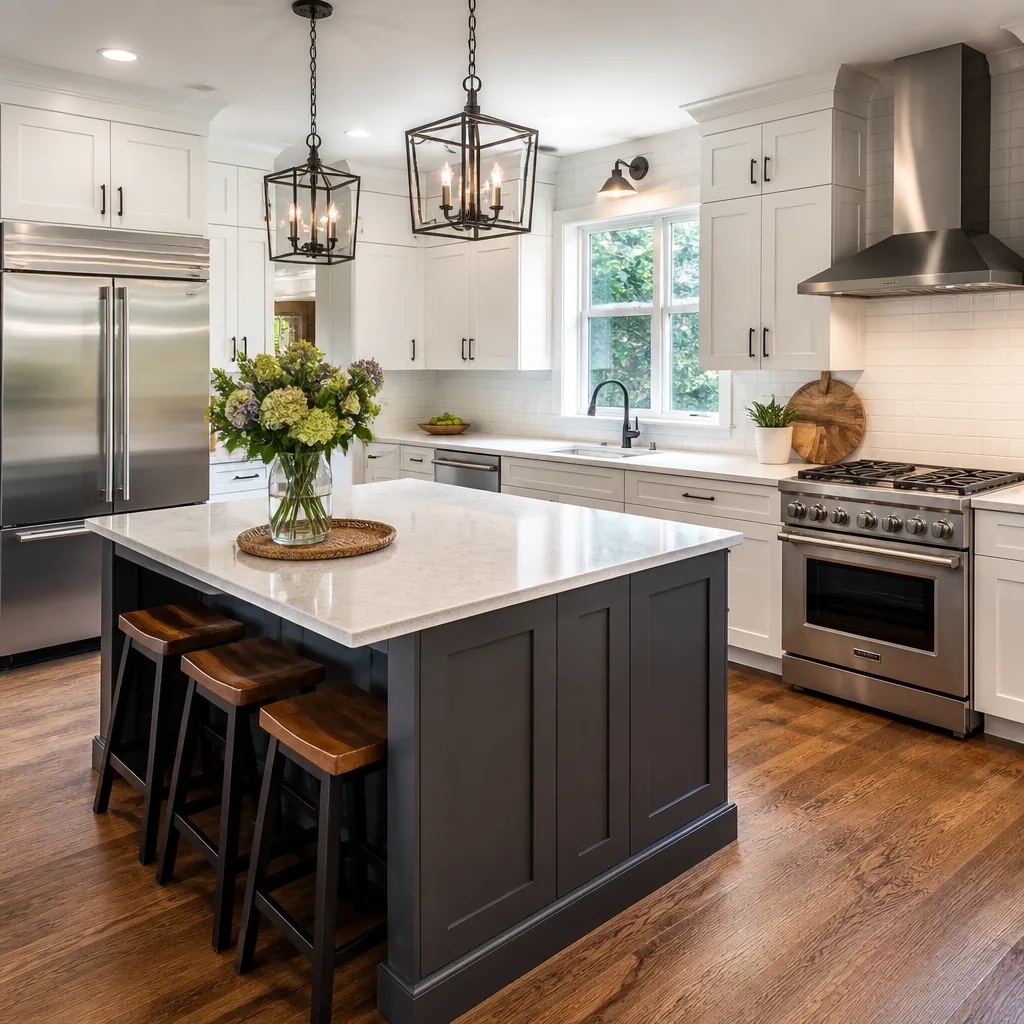
Typical scope: 150-200 square feet, semi-custom cabinets (KraftMaid or equivalent), quartz countertops (Cambria or Caesarstone), standard appliance package, porcelain tile flooring, recessed and under-cabinet lighting, minor plumbing relocation. Kitchen Remodeling in Santa Clara projects in the $110K+ range typically include custom cabinetry, professional-grade appliances, and structural modifications like removing load-bearing walls with beam installation.
Bathroom Remodeling in Santa Clara
| Component | Midrange ($45K-$65K) | Upscale ($65K-$85K) |
|---|---|---|
| Materials (vanity, fixtures, tile, glass enclosure) | $16,000-$22,000 | $24,000-$32,000 |
| Labor (all trades) | $20,000-$30,000 | $26,000-$36,000 |
| Permits, design, engineering | $4,000-$7,000 | $6,000-$9,000 |
| Overhead and profit | $5,000-$6,000 | $9,000-$8,000 |
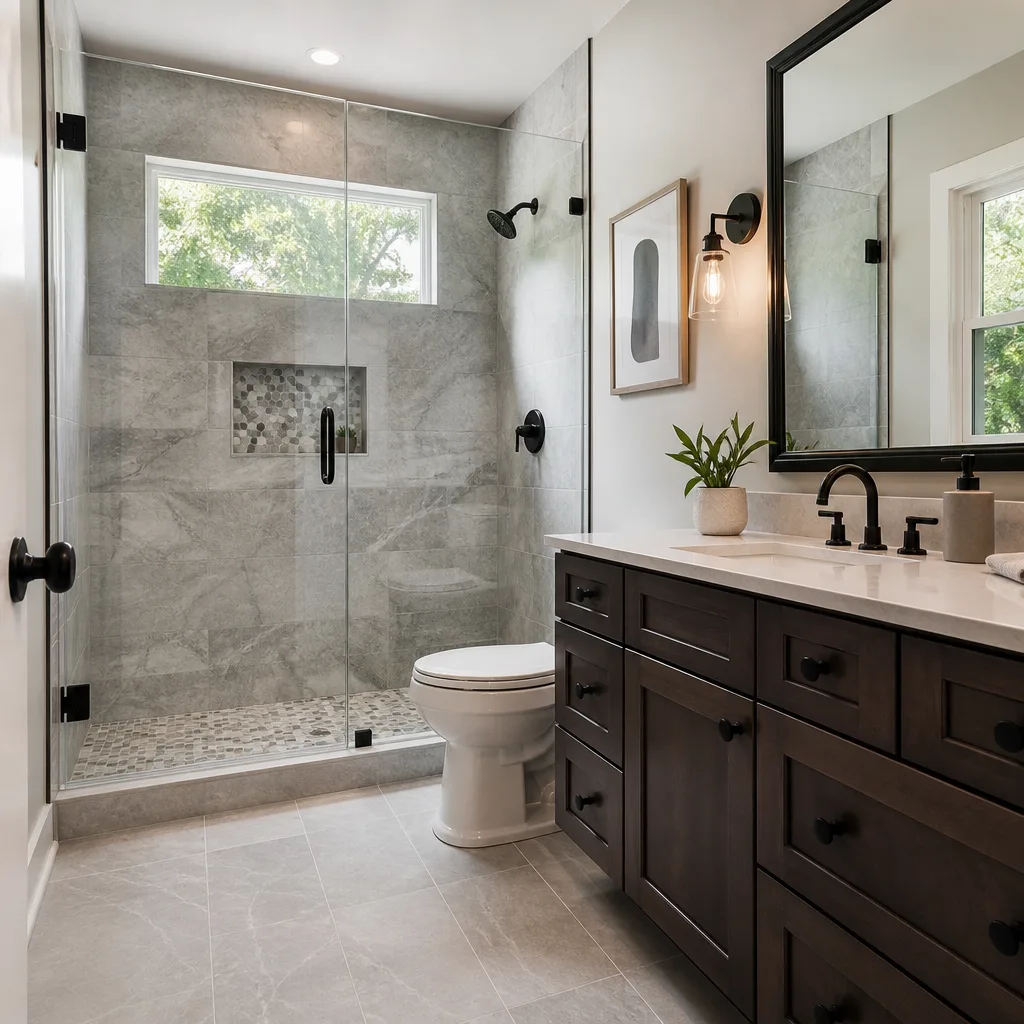
Typical scope: 50-80 square feet, porcelain or ceramic tile shower with waterproofing membrane, solid-surface vanity top, Moen or Delta fixtures, exhaust fan upgrade, LED vanity lighting. Upscale work includes curbless showers with linear drains, freestanding tubs, Toto washlet toilets, and heated floors. Bathroom Remodeling in Santa Clara in historic neighborhoods often encounters the hidden conditions described in our change order section.
Room Additions in Santa Clara
| Component | Midrange ($220K-$280K) | Upscale ($280K-$340K) |
|---|---|---|
| Materials (framing, roofing, windows, finishes) | $72,000-$92,000 | $95,000-$120,000 |
| Labor (all trades) | $95,000-$120,000 | $115,000-$145,000 |
| Permits, design, engineering, school fees | $28,000-$38,000 | $35,000-$48,000 |
| Overhead and profit | $25,000-$30,000 | $35,000-$27,000 |
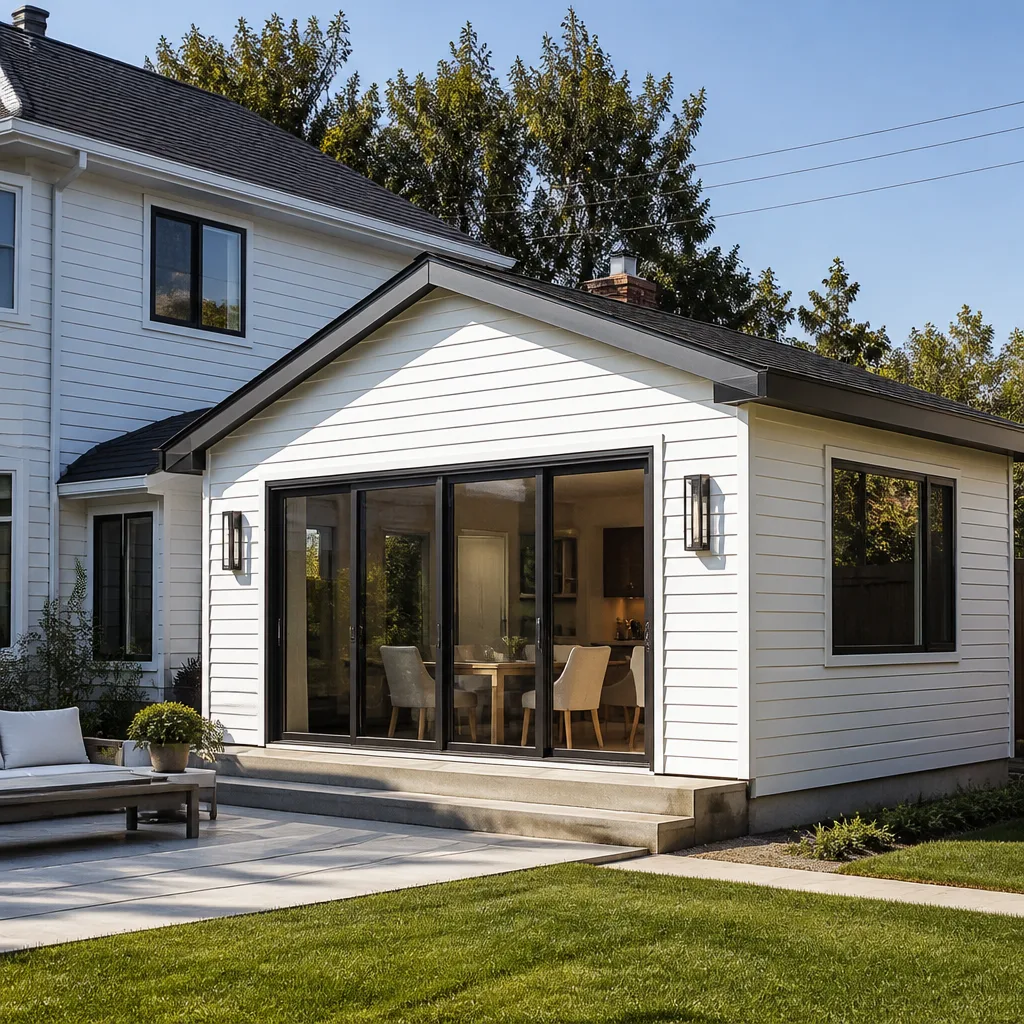
Typical scope: 400 square feet, slab or raised foundation per site conditions, composition shingle roof to match existing, mini-split HVAC, electrical subpanel, standard finishes. Upscale includes vaulted ceilings, larger window packages, upgraded flooring, and custom millwork.
Detached ADUs in Santa Clara
| Component | Midrange ($320K-$400K) | Upscale ($400K-$480K) |
|---|---|---|
| Materials (foundation to finish) | $105,000-$135,000 | $140,000-$175,000 |
| Labor (all trades) | $140,000-$175,000 | $170,000-$210,000 |
| Permits, design, engineering, school fees, utility connections | $42,000-$55,000 | $52,000-$68,000 |
| Overhead and profit | $33,000-$35,000 | $38,000-$27,000 |
Typical scope: 500 square feet, full kitchen and bath, separate utility meter or submeter, parking per code, standard finishes. Upscale includes higher-end appliances, custom storage, and premium exterior materials. ADU costs in Santa Clara are elevated by utility connection fees, which can run $8,000-$15,000 for water and sewer tie-ins, and by the engineering required for sites with slope or poor soils.
Roofing in Santa Clara
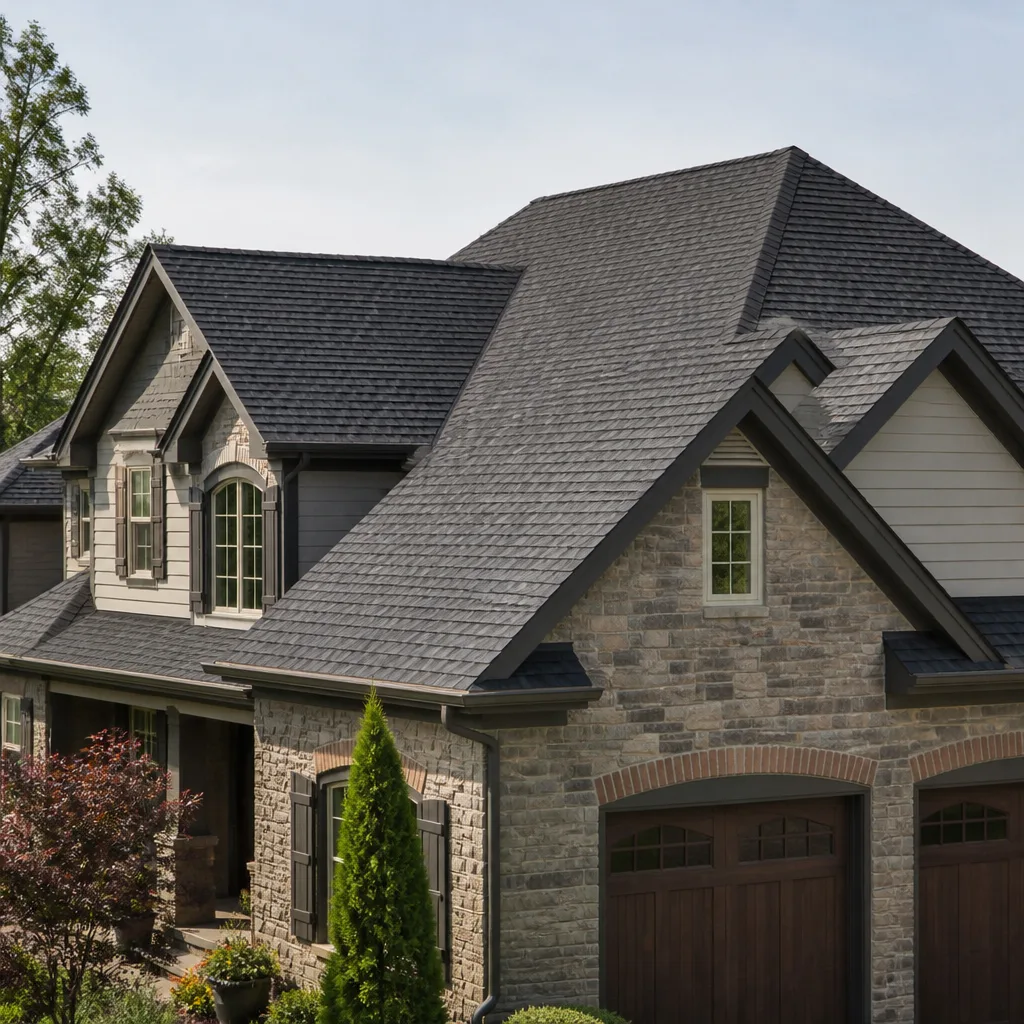
Per-square-foot pricing for roofing is more reliable than for interior work because the scope is more predictable. A standard gable re-roof in composition shingles runs $6.50-$9.50 per square foot in Santa Clara, or $13,000-$23,750 for a typical 1,500-2,500 square foot roof. Tile roofs run $12-$18 per square foot; metal roofs $14-$22. Roofing in Santa Clara projects require Title 24 cool roof compliance, which affects shingle color and material selection but adds minimal direct cost.
Contract Clauses That Protect Your Number
A construction contract is a risk allocation document. The clauses below separate protects-you contracts from exposes-you contracts. We recommend reviewing any estimate for these provisions before signing.
- Fixed price with detailed scope attachment. The contract price should reference a written scope of work that specifies materials by brand and model, quantities by unit count or linear/cubic measure, and quality standards by reference (e.g., “Tile installation per TCNA Handbook Method EJ171”). Vague language like “install cabinets” or “paint interior” invites dispute.
- Price hold expiration and escalation clause. The contract should state how long the price is guaranteed and what happens if the project starts after that date. A well-written clause specifies which material categories carry volatility risk and how price changes are calculated, with a cap on total escalation.
- Change order protocol. The contract should require written change orders, signed by both parties, before any additional work proceeds. It should specify that no oral agreements modify the written contract. This is Clause 3 of the Haven Standard, and it’s non-negotiable in our practice.
- Payment schedule tied to verifiable milestones. Avoid large upfront deposits. A typical schedule: 10% at contract signing, 25% at material delivery or rough-in start, 40% at substantial completion of rough work (drywall ready for paint), 20% at final inspection, 5% retention for 30-day punch list. Never pay the final percentage until you have the Certificate of Final Occupancy or equivalent.
- Lien release documentation. California law allows mechanics liens against your property for unpaid contractor or subcontractor bills, even if you paid the general contractor in full. The contract should require lien releases from the general contractor and all subcontractors and material suppliers with each payment. We provide notarized releases as standard documentation.
- Warranty terms with specific duration and coverage. Workmanship warranties of one year are standard; some contractors offer longer on specific systems. Materials carry manufacturer warranties, typically 25-50 years for roofing, limited lifetime for windows. The contract should specify who handles warranty claims and for how long.
- Documentation deliverables. The contract should specify what records you receive: permit approvals, inspection sign-offs, photo documentation, as-built drawings, equipment manuals, and warranty registrations. At Rowan Construction Group, the documented photo record on every visit is included as standard, not optional, and delivered through a customer portal within 24 hours of each crew visit.
Common Mistakes to Avoid
- Comparing Santa Clara bids to national cost averages. National remodeling websites aggregate data from Wichita, Tampa, and Fresno. A $45,000 kitchen remodel figure from these sources is irrelevant here. Use the ranges in this guide or get local quotes.
- Accepting a ” allowances only” quote without defined material selections. An allowance is a budget placeholder, not a price. A $25,000 “cabinet allowance” becomes $38,000 when you select the cabinets you actually want. Insist on specified brands and lines, or accept that your final price will differ from the initial quote.
- Ignoring permit costs in budget planning. The school district impact fee alone can add $4,000-$6,000 to an ADU. Contractors who omit permit fees from initial estimates are either inexperienced or deliberately lowballing. Ask for a permit cost breakdown in writing.
- Signing without understanding the change order process. Every remodel encounters some condition that wasn’t visible at estimate time. The question is whether you have a process that controls cost or one that generates it. Read the change order clause. If it doesn’t require your signature before work proceeds, don’t sign.
- Choosing the lowest bid without comparing scope. A $75,000 kitchen quote against a $110,000 quote isn’t a $35,000 savings if the lower quote excludes appliances, uses builder-grade cabinets, or omits permit fees. Line-item comparison is essential. We offer a Free Second Opinion on any written estimate for this purpose.
- Neglecting to verify license and insurance. California requires a B-General Building contractor license for residential construction. Verify at cslb.ca.gov. Ask for certificates of insurance naming you as additional insured during the project period. Background-checked, uniformed technicians are a baseline, not a bonus.
- Failing to plan for material lead times. Custom windows at 12 weeks, cabinets at 6-8 weeks, and certain HVAC equipment at 10-14 weeks mean your project start date is determined by procurement, not crew availability. Start selections early or accept standard options with shorter lead times.
When to Call a Professional
Call a licensed contractor when your project involves structural modification, electrical or plumbing work behind walls, roofing above one story, or any permit-required construction. Not sure whether to tackle it yourself? Our DIY vs Professional Construction: The Santa Clara Homeowner’s Decision Guide walks through the real risks. These aren’t areas for learning on the job. Santa Clara’s combination of seismic requirements, Title 24 energy codes, and local amendments means even experienced DIYers face compliance gaps that delay projects and create resale liability.
For projects you’re pricing but haven’t committed to, a professional estimate provides the documented baseline this guide describes. You can also explore more guides & resources on budgeting and planning. Rowan Construction Group Santa Clara offers free estimates with written, line-item pricing before any work starts. We also review competitor quotes at no charge through our Free Second Opinion program. Call (669) 259-1843 to schedule.
Frequently Asked Questions
A midrange kitchen remodel in Santa Clara runs $550-$700 per square foot, while upscale work reaches $700-$900 per square foot. These figures include materials, labor, permits, and contractor overhead for permitted, warranted work. Call (669) 259-1843 for a written quote on your specific space, estimates are free.
Silicon Valley labor rates run 35-50% above national means due to housing costs, commute distances, and competition from tech employers for skilled workers. Material costs are comparable but permit fees, school impact fees, and Title 24 compliance requirements add categories that many regions don’t have. The combined effect produces project costs that surprise homeowners using national research.
It shouldn’t, if the contract is well-written and conditions are as represented. At Rowan Construction Group, the written price before work starts is Clause 1 of the Haven Standard. Changes occur only through signed change orders for conditions that couldn’t be known at estimate time, like concealed water damage or asbestos. Ask your contractor to specify their change order protocol before you sign.
Yes, for virtually all work beyond cosmetic changes. Santa Clara requires permits for kitchen and bathroom remodels involving plumbing or electrical relocation, all room additions, all ADUs, roofing replacement, window replacement that changes opening size, and fence installation over 6 feet. Unpermitted work creates resale disclosure obligations and potential code enforcement action. A licensed contractor will pull permits as standard practice.
Plan check for straightforward remodels runs 4-6 weeks; complex additions and ADUs take 8-12 weeks. Expedited review is available at 150% of standard fees. Inspection scheduling adds variable time depending on inspector availability and project complexity. A contractor with established permit relationships and complete submittals avoids the resubmission delays that extend timelines.
A meaningful warranty specifies duration, coverage scope, and the process for making claims. The 365-Day Done Right Promise at Rowan Construction Group states that if it’s not done right, we make it right, backed by a terms page, not an asterisk. Manufacturer warranties on materials run longer but require proper installation to be valid. Ask who handles claims and how quickly they respond.
The Bottom Line
Construction costs in Santa Clara follow predictable patterns once you know the local variables: labor premiums driven by the tech economy, permit and fee structures that exceed national norms, material volatility in specific categories, and five common concealed conditions that generate change orders. The homeowners who stay within budget are those who demand written, line-item quotes; who understand what’s included and what isn’t; and who work with contractors whose administrative discipline matches their technical skill. Price transparency isn’t a marketing claim here. It’s the foundation of every project we’ve delivered since 2007.
Written by Grant Rowan, Owner at Rowan Construction Group Santa Clara, serving Santa Clara since 2007.